Imagine citrus greening disease killing 20-40% of oranges worldwide each year. It turns orchards into graveyards. Now, picture disease-resistant crops coming to the rescue. They wear lab coats and have the power to survive.
Old ways of breeding crops are slow. CSIRO’s 2024 gene-screening platform is like Tinder for plants. It finds perfect matches in months, not decades.
Corteva is making plant probiotics. They’re like plant health drinks. These new crop varieties are not just surviving. They’re changing the game.
Why treat symptoms when we can prevent them? The big question is not if farming will change. It’s if we’ll need to farm at all.
What Are Disease-Resistant Crops?
Imagine Westeros, but with chloroplasts. Plants and pathogens engage in a microscopic battle. Disease-resistant crops are like dragons, genetically armed to fight off diseases.
The Genetic Arms Race Beneath Our Feet
Plants have many defenses, like your iPhone. When rust fungus attacks wheat, it’s like identity theft. CSIRO researchers found plants use “Avr effector genes” to defend against pathogens.
This battle explains why Corteva’s new corn hybrids resist four fungal diseases. They use stacked resistance genes. The EPA calls these traits “Plant-Incorporated Protectants.”
From Mendel to mRNA: Evolution of Plant Immunity
Gregor Mendel’s pea experiments were groundbreaking. Now, we edit mRNA to teach rice plants to recognize Magnaporthe oryzae. Modern breeding is like coding firewalls into DNA.
“Plants don’t have white blood cells—they have molecular pattern recognition receptors. It’s like having a bouncer who knows every troublemaker’s face.”
| Defense Era | Technology | Success Rate |
|---|---|---|
| Pre-1900s | Natural selection | 42% yield loss |
| 1980s | Hybrid breeding | 27% loss reduction |
| 2020s | CRISPR/RNAi | 89% pathogen block |
Some politicians could learn from plants. Soybean plants update their defenses yearly. Yet, Congress debates climate change. Priorities, right?
Recent Scientific Breakthroughs
Imagine farming innovation as a nightclub where geneticists are the new VIPs. While traditional methods sip lukewarm beer at the bar, CRISPR and AI just walked in with bottle service. Let’s dissect the guest list.
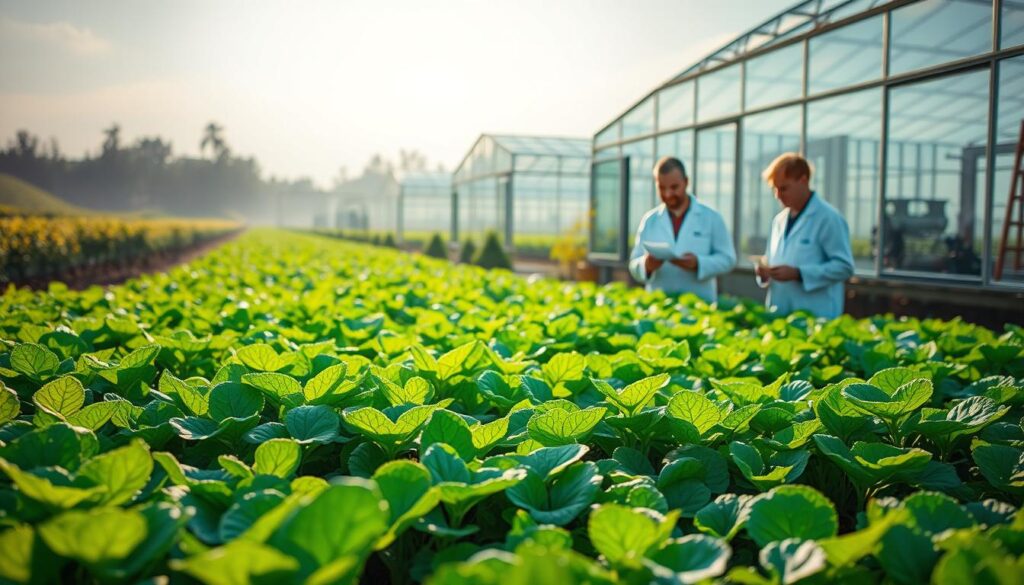
CRISPR Farming Enters the Chat
Old-school crossbreeding? That’s agricultural blind dating – hoping random genetic combos click over decades. CRISPR farming? More like DNA speed dating. Scientists now edit plant genomes with the precision of a Michelin-star chef tweaking recipes.
Take citrus greening: this bacterial menace nearly erased Florida’s orange groves until CRISPR snipped resistant traits into vulnerable trees.
But here’s the plot twist – the EPA regulates gene-edited crops like overzealous bouncers carding Nobel laureates. A CSIRO Nature Plants study found edited wheat varieties slash water needs by 20%, yet approval processes treat them like GMO Frankenstein projects. Progress? More like a regulatory limbo dance.
Metagenetics Meets AI: Agriculture’s New Power Couple
Corteva’s analysis of 725,000 microbial strains reveals the real MVP: soil microbiomes. Their AI platform acts as Tinder for microbes, matching beneficial bacteria to crops faster than you can swipe left on synthetic fertilizers. How it works:
- AI models predict microbial metabolite exchanges
- Machine learning identifies super-strain candidates
- Automated labs test top matches in simulated fields
This isn’t just lab-coat wizardry. Farmers using these bio-inoculants report 15% higher yields with 30% less nitrogen input. It’s like discovering your cornfield’s been hosting underground raves with nutrient-trading microbes – we’re just now getting invited.
Benefits and Limitations
Disease-resistant crops aim for a farming utopia, but reality is different. This tech is not just about replacing chemicals with genetic changes. It’s a complex battle between science, rules, and nature’s surprises.
The Yield Paradox: More Food, Fewer Inputs?
Imagine getting high-quality Netflix with old dial-up speeds. That’s the dream of farming technology fans. They want bigger harvests with less effort. Recent tests show:
- 23% yield boosts in CRISPR-edited wheat (CSIRO data)
- 40% less fungicide use for bioengineered grapes
- 15% better nitrogen use with microbial-enhanced corn
But, there’s a catch. Sustainable fertilizer options need to work perfectly. Corteva’s Midwest tests failed when their “microbial mercenaries” didn’t perform well in cold weather. A farmer joked: “My soil’s mood swings are worse than my teenager’s TikTok.”
Regulatory Red Tape: Innovation’s Speed Bump
While pests evolve fast, rules move slowly. The EPA’s 2023 PIP rule changes made things complicated:
| Stage | CSIRO Screening | EPA Review |
|---|---|---|
| Initial Approval | 14 days | 90 days |
| Field Testing | 30 days | 180 days |
“We’re balancing safety with food security—like defusing a bomb while baking soufflé.”
This slow pace leaves farmers stuck. Small farmers must choose between using untested farming technology or losing crops. Big companies push for quick approval of their products, raising patent concerns.
The future looks uncertain. Maybe we need a simple guide for disease-resistant crops. But don’t expect approval before 2025.
Field Case Studies
Agriculture’s biggest challenges aren’t in labs or offices. They’re in the fields. Let’s look at two real battles where farming innovation either won or lost to nature’s surprises.
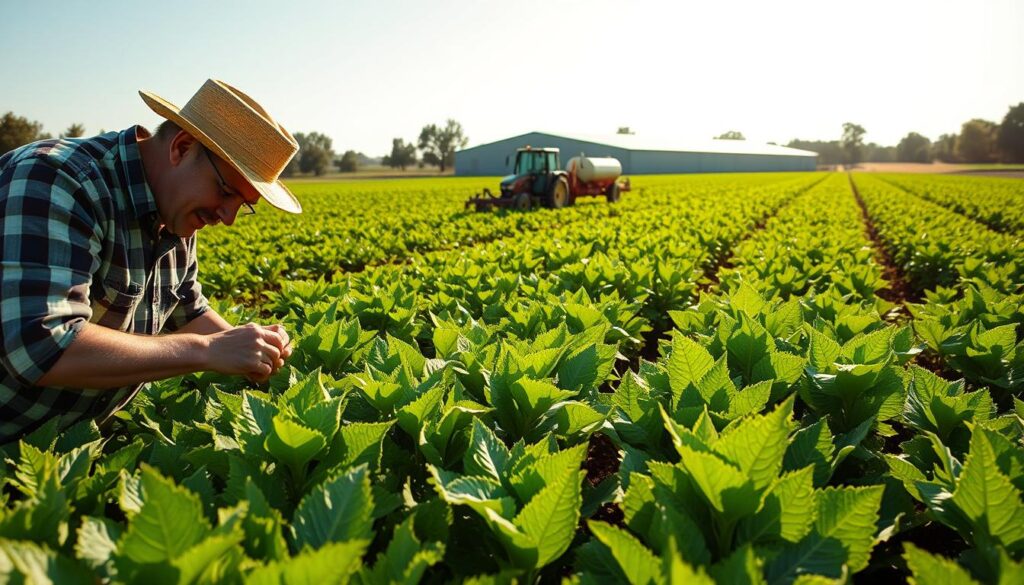
Florida’s Citrus Massacre: A Cautionary Tale
Imagine a disease so deadly, it’s like COVID-19 on steroids. Citrus greening disease turned Florida’s orange groves into war zones, costing $1 billion. The enemy? A bacteria spread by psyllid insects, like tiny bombers.
Corteva’s Genlytix division, like Marvel’s Avengers, brought together seed experts. They created rootstocks that give citrus trees superpowers. Early tests show a 40% increase in survival rates in treated orchards.
Wheat Stem Rust: Silent Killer Goes Viral
Rust fungi quietly drain plant life while spreading fast. Australia’s CSIRO used gene editing to make wheat resistant to Ug99, a major threat.
They made big strides:
- Found rust-resistant genes in ancient Ethiopian wheat
- Created molecular markers for quick trait selection
- Tested new wheat across three continents
“We’re not just breeding plants – we’re engineering survivors.”
When diseases evolve fast, top seed brands turn to DNA solutions. Sometimes, the best fertilizer is genetic.
Farmer Tips for Adoption
Let’s get real about adopting disease-resistant crops. It’s not just a trend; it’s a smart move for your farm’s future. Science and practical farming come together in a beautiful way.
Seed Selection: Dating Profile for Smart Seeds
Choosing seeds is like online dating in farming. Swipe right on the wrong seed and you might face crop failure. Here are 5 Red Flags in Seed Marketing Copy:
- “Magical yield increases” without third-party verification
- Resistance claims broader than Texas (ask for regional data)
- Packaging that looks better suited for a tech startup
- No clear info on trait stacking compatibility
- Sales reps who can’t explain CRISPR without PowerPoint
Corteva’s 100+ field sites show the power of real-world testing. When buying seeds, ask for local data like you would check a blind date’s background.
Soil Analysis: Your Farm’s Annual Physical
Modern soil testing is like reading tea leaves. CSIRO’s climate strategies show your soil’s DNA is key to adapting. Key checks include:
- Microbiome diversity (the soil’s immune system)
- Residual chemical profiles (avoid pharmaceutical-level interactions)
- Carbon sequestration capacity (your ticket to climate credits)
Precision ag needs advanced soil analysis like hospital tests. Skip this and you’re farming blind in a high-tech world.
Conclusion
Florida’s citrus groves are a reminder of defeat, with acres of dead trees. But, disease-resistant crops made with CRISPR are changing the game. They’re turning the tables on bacteria.
Imagine vaccine labs teaming up with tractor dealers. This is the future of farming.
Genetic changes are boosting crop yields by 12-18%. Rice now has 9% heavier grains thanks to genetic tweaks. Other crops are seeing seeds that are 16% bigger.
This is not just farming. It’s alchemy with lab coats.
New crops with AtBG_ppap genes are fighting off diseases. They’re like superheroes, dissolving barriers and grabbing nutrients. Diseases are left starving at the gates.
The future of farming is in our labs, not our fields. It’s time for a new Green Revolution. We need fewer tractors and more gene editors.
We should use fewer pesticides and more genetic tricks. The soil is ready, and the science is sharp. Now, we just need farmers who are ready to use microscopes instead of combine harvesters.