The U.S. agricultural sector is entering a new phase of crop management research as federal agencies invest in technologies that reduce chemical dependence while maintaining farm productivity. The Environmental Protection Agency (EPA) announced a $30 million agriculture innovation challenge focused on developing alternative approaches to crop production, including methods that reduce reliance on conventional chemical desiccation practices.
The initiative supports researchers, farmers, technology developers, and agricultural organizations working on new solutions for crop management. The program reflects growing interest in production systems that combine environmental protection, operational efficiency, and long-term soil health strategies.
Farmers across major agricultural regions, including the Midwest, Great Plains, and specialty crop areas, continue evaluating ways to maintain yields while adapting to changing regulatory requirements, consumer expectations, and environmental conditions.
EPA Agriculture Innovation Challenge Targets Alternative Crop Management Methods
The EPA initiative focuses on accelerating research into agricultural practices that provide alternatives to certain chemical-based crop management techniques. Crop desiccation, harvest preparation, and plant management methods are among the areas receiving attention as researchers explore solutions that balance productivity with environmental considerations.
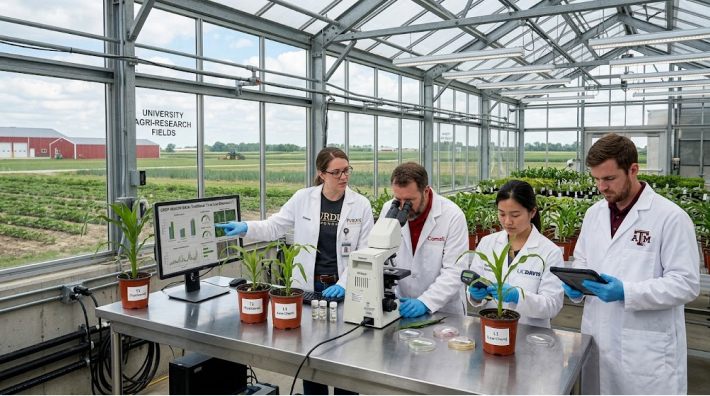
Agricultural desiccants are used in some farming systems to help manage crop maturity and improve harvest timing. Producers often rely on these tools in regions where weather conditions create narrow harvest windows. Developing alternative approaches requires research into plant genetics, mechanical systems, biological solutions, and improved field management practices.
The challenge provides funding opportunities for organizations developing practical solutions that can transition from research environments into commercial farming operations. Successful approaches must demonstrate reliability, economic feasibility, and compatibility with existing agricultural systems.
Research Partnerships Connect Farmers With Agricultural Technology Developers
The EPA program brings together multiple groups involved in agricultural innovation, including universities, private companies, farmers, and research institutions. This collaboration model allows new technologies to be evaluated under real production conditions instead of remaining limited to laboratory testing.
Agricultural universities across the United States are expected to play an important role in testing new approaches. Institutions with strong crop science programs can evaluate how alternative practices perform under different soil types, climates, and production systems.
Farmers provide valuable operational feedback during these trials. A technology that performs well in controlled research conditions must also fit within planting schedules, equipment availability, labor requirements, and economic realities faced by producers.
The connection between researchers and producers has become increasingly important as agriculture adopts more data-driven and environmentally focused production models.
Lower-Chemical Production Requires Advanced Crop Science Solutions
Reducing chemical inputs does not simply involve removing existing products from farming systems. Researchers must develop alternatives that maintain crop protection, improve harvest consistency, and protect economic returns.
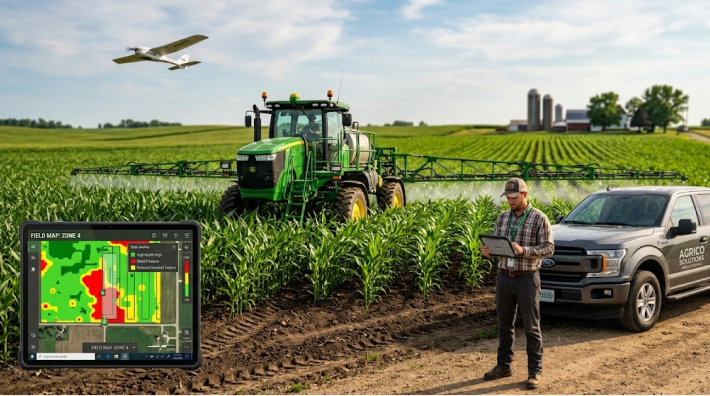
Crop science researchers are exploring several approaches, including improved plant genetics, biological products, precision application systems, and mechanical technologies. These methods can help farmers apply fewer inputs while maintaining control over weeds, pests, and crop development.
| Innovation Area | Agricultural Application | Potential Benefit |
|---|---|---|
| Biological Crop Solutions | Natural compounds and microbial products | Reduced synthetic input dependence |
| Precision Application Technology | Targeted treatment placement | Lower material usage and improved efficiency |
| Plant Genetics Research | Stress-resistant crop varieties | Improved performance under changing conditions |
| Mechanical Systems | Alternative harvest preparation methods | Reduced chemical requirements |
The development of lower-chemical farming systems requires detailed testing because agricultural conditions vary significantly across regions. A method that works effectively in California specialty crops may require adjustments before adoption in Iowa corn production or Kansas wheat fields.
Precision Agriculture Supports More Efficient Input Management
Precision agriculture technology is expected to play a major role in reducing unnecessary chemical applications. GPS-guided equipment, satellite imagery, field sensors, and automated systems allow farmers to apply treatments only where they are required.
Traditional field management often relied on uniform applications across large areas. Modern precision systems identify differences in soil conditions, plant health, and pest pressure, allowing producers to create more targeted management plans.
Variable-rate technology has already changed fertilizer and irrigation management across many U.S. farms. Similar approaches are now being evaluated for crop protection and harvest preparation methods.
Farmers using precision systems can collect detailed field information and analyze how specific practices influence productivity. This data helps producers evaluate whether alternative methods provide comparable results to conventional approaches.
Midwest Farms Evaluate Sustainable Production Strategies
The Midwest represents a significant testing area for agricultural innovation because states such as Iowa, Illinois, Indiana, and Minnesota produce large volumes of corn and soybeans. Farmers in these regions continue balancing productivity goals with soil conservation and environmental management.
Many Midwest operations have already adopted sustainable practices including cover crops, reduced tillage, and nutrient management programs. Lower-chemical crop production research adds another layer to these ongoing efforts.
Corn and soybean producers face unique challenges when reducing chemical inputs. Large-scale operations require solutions that can work efficiently across thousands of acres while maintaining predictable results.
The EPA challenge creates opportunities for researchers to develop systems that integrate with existing farming practices rather than requiring complete operational changes.
Economic Factors Influence Adoption Of New Agricultural Technologies
Farmers evaluate new production methods based on both environmental benefits and financial performance. A technology must provide measurable value before producers invest in new equipment, training, or management changes.
Lower-chemical approaches may create savings through reduced input purchases, but development costs and implementation requirements remain important factors. Producers need clear information about yield performance, operational changes, and long-term financial outcomes.
Government-funded innovation programs can reduce early research barriers by supporting testing and development. Successful technologies may eventually become commercially available through agricultural equipment manufacturers, biotechnology companies, and farm service providers.
Market demand also influences adoption. Food companies and consumers increasingly examine how agricultural products are produced, creating additional incentives for farmers who implement verified sustainability practices.
Crop Production Innovation Expands Beyond Traditional Farming Methods
Agricultural innovation is increasingly connecting multiple disciplines, including biology, engineering, artificial intelligence, and environmental science. The EPA challenge reflects this broader shift by supporting solutions that combine different areas of expertise.
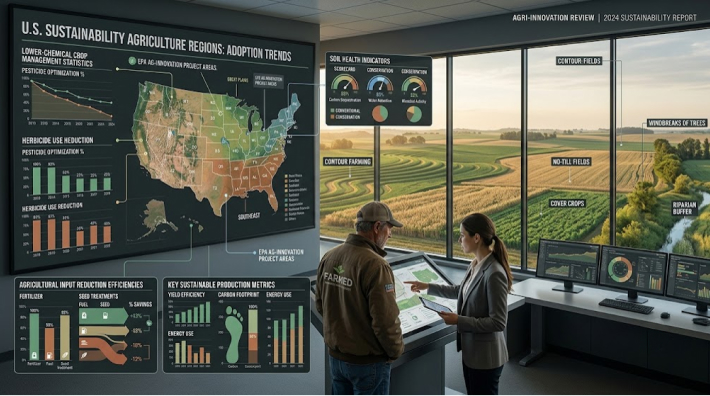
Researchers are exploring automated field monitoring, biological crop protection products, robotic systems, and advanced analytics to improve agricultural efficiency.
These technologies provide farmers with additional management options while reducing dependence on single production methods. A more diversified approach allows producers to respond to weather changes, market conditions, and evolving environmental requirements.
The future of crop production will depend on balancing productivity with responsible resource management. Programs such as the EPA agriculture innovation challenge provide financial support for research that may influence how farms operate over the coming decades.
Agricultural Innovation Creates New Opportunities For Sustainable Farming
The EPA’s $30 million investment highlights the growing importance of agricultural research focused on lower-chemical production systems. Farmers, scientists, and technology developers are working toward solutions that maintain food production while improving environmental outcomes.
The challenge connects federal funding with practical agricultural needs, creating opportunities for new crop management approaches to move from research projects into real farming operations.
As producers continue adapting to market pressures, climate conditions, and changing input requirements, innovations supported through programs like this may become important components of future farming systems across the United States.