Choosing plant food isn’t about being morally pure. It’s a smart choice, like picking a quarterback for your fantasy team.
Synthetic nutrients are made in labs. They come from the Haber-Bosch process, which feeds many people. They give plants a direct dose of NPK.
Organic amendments, like bone meal or compost, come from nature. They feed the soil’s microbes first. Then, these microbes slowly release nutrients to plants.
There’s a common myth that synthetic fertilizers poison soil. But research shows they don’t kill soil microbes directly. In fact, they can increase microbial activity by feeding the plants these microbes live on.
Speed is key. If you want quick results, Miracle-Gro is fast. But if you prefer slow, steady growth, Jobe’s or Espoma is better.
So, is there a clear winner? The data says it’s more complex than any slogan. Let’s look at the evidence.
Environmental Impact
Every green field fed by synthetic nutrients hides a dark secret. We’ve learned to feed plants well but ignored the damage. Our farming success comes with a price: carbon emissions, polluted water, and harmed ecosystems.
The production of these nutrients is a dirty secret. The Haber-Bosch process, a Nobel Prize winner, forces nitrogen into the air using fossil fuels. This process is a big energy user, taking 1-2% of the world’s energy just for fertilizer. This carbon footprint affects every field.
Then, there are the big failures. Remember Piney Point? In 2021, a phosphate plant in Florida almost spilled 480 million gallons of waste into Tampa Bay. The state had to let it spill into the ocean. This shows how the industry often ignores pollution.
Fertilizers don’t stay where they’re applied. Rain washes them into rivers and streams. These nutrients feed algae blooms that kill the water when they break down. This creates dead zones where nothing can live.
The Gulf of Mexico now has a dead zone as big as Connecticut. It’s a problem caused by farming far away. This kills marine life hundreds of miles from farms.
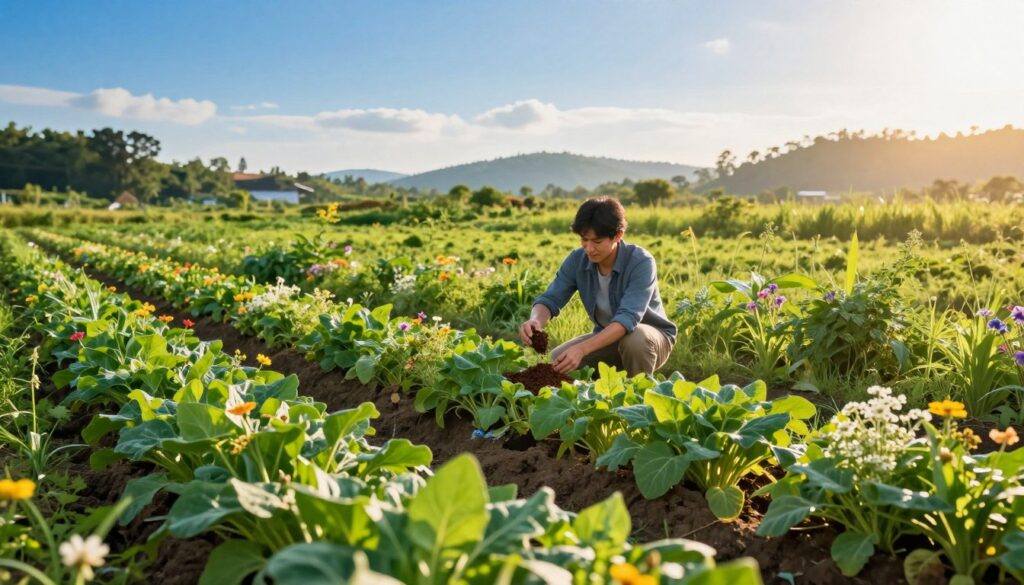
Now, there’s a greener option: organic and bio fertilizer. These products work with nature, not against it. They improve soil, making it better at holding water and nutrients.
Organics turn waste into valuable resources. This is like closing a loop. Unlike synthetic fertilizers, which deplete, organics recycle and enrich the soil. Soil becomes a carbon sink, and water pollution risks drop.
| Environmental Factor | Synthetic Fertilizer Impact | Bio Fertilizer Impact |
|---|---|---|
| Carbon Footprint | High (energy-intensive production, transport) | Low to Negative (waste recycling, carbon sequestration) |
| Water Pollution Risk | High (rapid runoff, algal blooms) | Low (slow nutrient release, improved infiltration) |
| Soil Health | Degrades over time (acidification, microbe loss) | Improves over time (organic matter, biodiversity) |
| Waste Utilization | None (creates industrial waste) | High (converts organic waste to resource) |
But, organic isn’t always clean. Some organic fertilizers can have contaminants if not sourced right.
Chicken manure, a common organic fertilizer, might have arsenic from feed additives. Municipal compost can have heavy metals. Even plant-based materials can have pesticide residues.
The organic movement has a secret: the “natural” label doesn’t mean it’s pure. The choice between synthetic and bio fertilizer is complex. Synthetics are precise but harm the environment. Organics are better for the soil but need careful management.
The best choice might be a mix of both. Use synthetics where needed but also improve soil with organics. It’s about making progress, not being pure. The environment doesn’t care about our beliefs—it cares about what we do.
Supply Chain Issues
Your choice of fertilizer is more than just about nitrogen levels. It’s a choice between a global system and a local one. Think of it like choosing between Amazon Prime and the farmers’ market for your soil’s dinner.
Synthetic fertilizers are all about global efficiency. They use ingredients from all over the world. This includes potash from Canada, phosphate rock from Morocco, and natural gas from the cheapest source.
This global approach is very efficient but also very fragile. When global tensions rise or energy markets change, everything can fall apart. Your garden can get caught in the middle of big disputes.
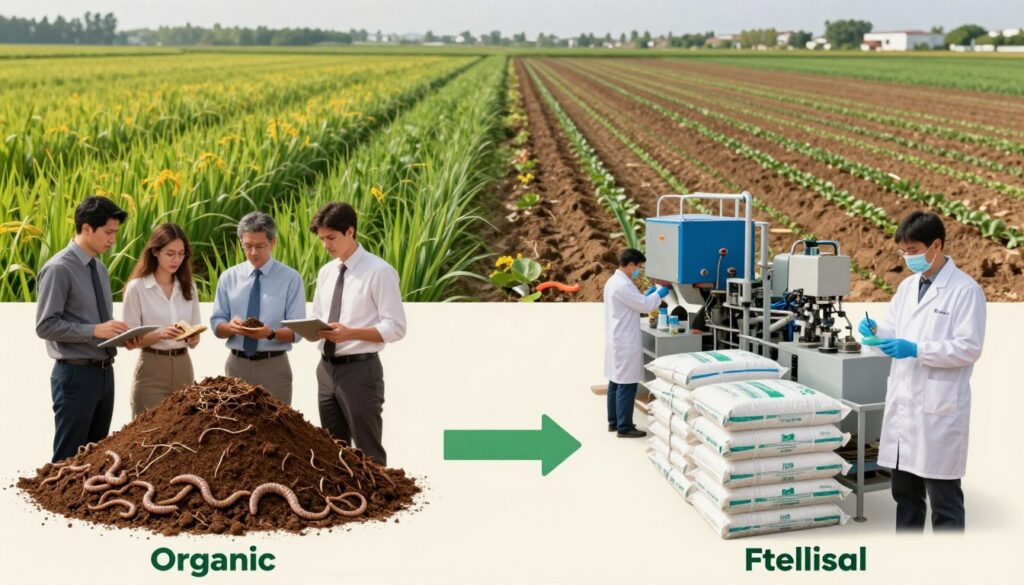
Organic and bio-fertilizers work differently. They’re like the farm-to-table movement for your garden. They use compost, manure, and minerals from nearby places.
But using local materials isn’t always easy. Getting consistent, high-quality organic inputs is like trying to herd cats. Each batch of compost or manure is unique.
The choice is clear. Do you want the precision of a global system or the messiness of a local one? It’s a choice between efficiency and adaptability at a small scale.
Let’s look at the differences:
| Supply Chain Aspect | Synthetic/Chemical Fertilizer | Organic Fertilizer |
|---|---|---|
| Geographic Scale | Global, often transcontinental | Local to regional |
| Vulnerability Points | Geopolitical conflicts, energy prices, shipping disruptions | Weather patterns, local regulations, input availability |
| Consistency | Highly standardized, predictable nutrient content | Variable, batch-dependent composition |
| Resilience | Fragile to systemic shocks | Robust against global disruptions |
| Carbon Footprint | High from transportation and manufacturing | Lower, especially with minimal processing |
This isn’t just about economics. It’s why your local garden center might run out of chemical fertilizer but still have organic options. The global system works well until it doesn’t.
The debate over organic versus chemical fertilizers is more than just about soil health. It’s about how we distribute resources. As distributed fertilizer supply becomes crucial for future food, the local model becomes more important.
But scaling organic supply has its own challenges. How do you ensure quality from decentralized producers? How do you create standards without losing diversity?
Your gardening choices now have big implications. Each bag you buy supports either a fragile global system or a messy local one. In today’s world of supply chain problems, where does your garden stand?
Practical Mixing/Switching Tips
Forget the fertilizer holy war. A smart approach is to mix both synthetic and organic nutrients. Think of synthetic nutrients like Miracle-Gro as an emergency fix. Your bio fertilizer, like compost or kelp meal, is the long-term plan for your soil’s health.
Start with a soil test to know what your soil needs. Use synthetic nutrients to fix big problems, like a nitrogen shortage. Then add organic matter to make your soil stronger. It’s all about getting good results, not just using one type of fertilizer.
You can mix different fertilizers to create your own blends. Mix rock phosphate and kelp meal for a custom mix. Use time-release pellets like Osmocote with organic matter. The key is how you use them, not just what they are. For more on safe mixing, check out the mixing rules.
This way, you feed your plants now and make your soil better for later. Your bio fertilizer will keep your soil fertile for a long time. Be practical, not stuck on one idea. The goal is a healthy garden, not winning an argument.