Let’s get real about CSA. It’s not just a feel-good term. It’s a brilliantly pragmatic business model that’s changing how we eat.
Is it a spiritual bond with the land? Or a simple equation of food producers, consumers, and a yearly deal? The debate started in 1986 with two New England farms.
These farms wanted to share farming’s risks and rewards with their neighbors. But, this idea wasn’t new. European cooperatives and Japanese teikei systems had similar ideas. Even Booker T. Whatley’s “Clientele Membership Club” for Black farmers was an early version.
So, is csa farming a return to the land or a smart way to get cash upfront? The truth is, it’s both. That’s what makes it so interesting and successful.
The numbers show CSA’s impact. Sales jumped twelve times between 2006 and 2012, reaching 12,617 farms. This model is resonating in our disconnected food world.
Setting Up a CSA
The local food movement becomes real when you start a weekly food subscription service. It’s not just growing food; it’s managing a service for Mother Nature’s surprises. This is operations management with a dirty job.
You need a solid business plan to survive. It should be as detailed as a hailstorm can be. Show your seed costs and labor budgets to members. This is about community finance and transparency.
Then, you face the distribution challenge. Will members come to the farm, or will you deliver? Each option has its costs, like time, fuel, and sanity.
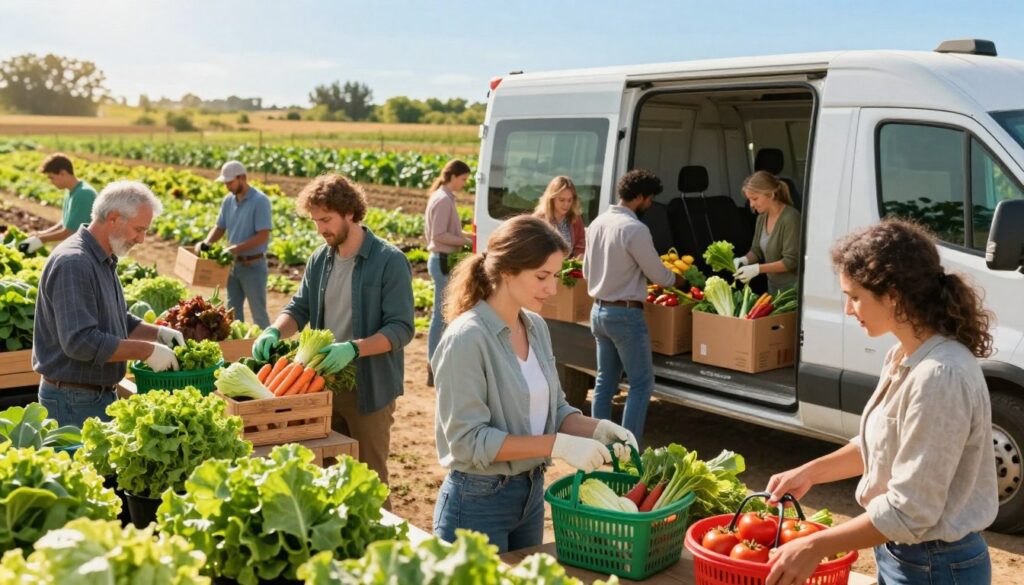
Food safety is another big issue. Moving 100 boxes is different from a farmers’ market. You must handle food safely for large volumes.
Experts say CSA is extremely difficult for beginning farmers. You’re not just growing food; you’re growing it on a schedule for paying customers. It’s a tough balance.
For most farms, CSA is part of a bigger plan. It provides steady income, balancing out market and restaurant ups and downs. Start with a comprehensive CSA guide to see if your farm can handle it.
Before planting more for CSA, ask yourself: Are you running a farm or a subscription box company? The answer affects everything, from seeds to your weekends. Building this idea needs spreadsheets, cooler space, and clear talk.
Member Benefits/Responsibilities
Think of a CSA membership like buying a season ticket to a farm’s theater. You’re in for the whole season, rain or shine. It’s not just about the main acts.
The benefits are the siren song, and they’re truly transformative. You cut out the middleman, getting food with a story. This direct connection makes you part of your food system.
Then, there’s the adventure of eating with the seasons. No more out-of-season tomatoes. You’ll enjoy fresh peas, zucchini, and squash. This shift brings real health benefits.
It’s also a smart financial move. Paying upfront often means a cost-effective rate for organic produce. You’re investing in your health.
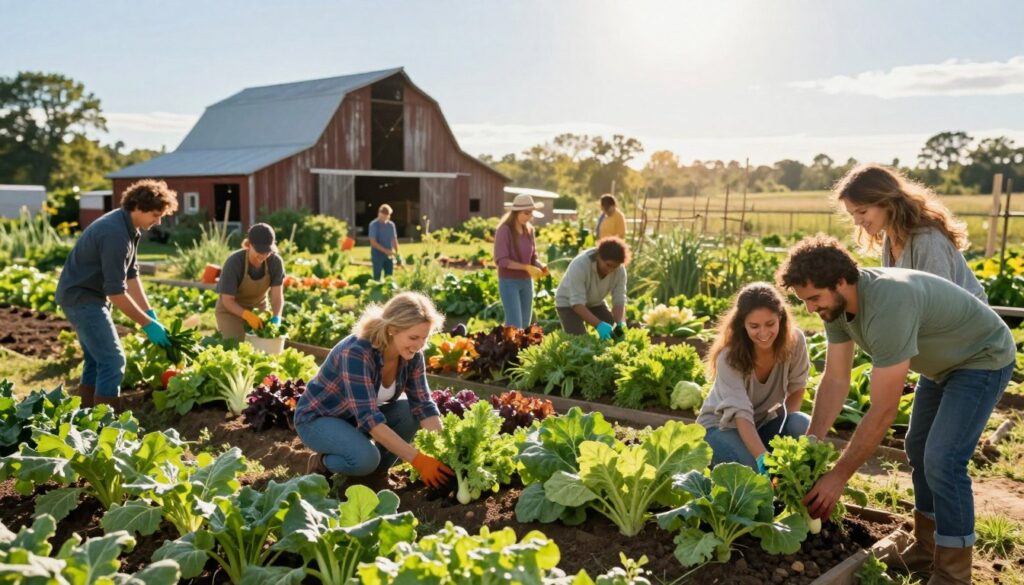
But, there’s a catch. You’re a shareholder, not just a customer. You’re sharing the farm’s risk. This means writing a big check before anything grows.
Your weekly pickup is a must. Tuesday, 4-6 PM. No excuses. This commitment is key. You also need to be flexible with your cooking. When the lettuce gets ruined, you’ll find joy in kohlrabi.
Clear communication is crucial. The farmer must explain what you’re getting into. In return, you give feedback. Many farms have member workdays, recipe swaps, and let you choose your produce.
The dynamic is perfectly captured in this breakdown of the unspoken pact:
| Member Benefits (The Perks) | Member Responsibilities (The Pact) |
|---|---|
| Direct Connection to Food Source: Know your farmer, their practices, and your food’s origin story. | Upfront Financial Commitment: Provide crucial early-season capital for the farm’s operations. |
| Seasonal, Fresh, Organic Produce: Peak flavor and nutrition, often at a better price than retail. | Strict Pickup Schedule: Adhere to the designated time and location, every week. |
| Improved Health & Culinary Education: Eat more vegetables and learn to cook new, seasonal dishes. | Flexibility & Acceptance of Risk: Enjoy bounty in good weeks, accept scarcity in bad ones without complaint. |
| Community & Shared Purpose: Connect with like-minded eaters and support local agriculture. | Open Communication: Engage with the farmer, provide feedback, and participate in farm life when possible. |
Is it worth it? For the right person, absolutely. It turns a mundane chore into a meaningful ritual. You become part of a local ecosystem, a concept groups like CAFF work tirelessly to promote. The box of veggies is just the start. The real yield is a reconnection to the land, the seasons, and the human effort behind your meal.
Managing Expectations
When a foodie’s Instagram meets real farming, things get tricky. This is the farm box program challenge. You want seasonal food, but nature doesn’t always agree. Managing these expectations is key.
The CSA model is like a culinary surprise box. You get what’s in season, not what you want. Some love the surprise, while others might not. It’s important to know what you’re getting upfront.
Now, there’s a new twist: choice. Instead of just getting food, you can pick what you want. This makes people happier and keeps them coming back.
Market-style CSAs are changing the game. At Picadilly Farm in New Hampshire, members choose their produce. Potomac Vegetable Farms in Virginia uses points, like a personal currency. These options make the farm box program feel more like shopping.
Farms are also getting creative with pricing. They offer small, medium, and large shares. Some, like J&P Organics in California, even let you pay as you go. This flexibility meets modern needs while keeping the community-supported agriculture spirit alive.
It’s all about finding a balance. Farmers need to manage their crops, and members need food that fits their lives. The goal is to make nature’s bounty feel like a personal choice. When it works, everyone benefits: farms get steady income, members get fresh food, and the relationship grows.
The best CSAs offer more than just veggies. They give an experience that’s both true to farming and easy for members. They’re clear about what’s coming, offer choices, and make payment and pickup easy. That’s how you turn a mystery box into a treasure.
Sharing the Risk
Think of your CSA box as a tiny stock portfolio in lettuce and tomatoes. Some seasons boom, others bust. That’s the deal. It’s not a grocery delivery with guarantees. It’s a pact.
As one farm puts it, your membership is an act of faith. You’re betting on the farmer’s skill against nature’s chaos.
The real innovation isn’t just sharing agronomic risk. It’s sharing financial risk within the community itself. Look at pioneers like the Temple-Wilton Community Farm. They present their annual budget openly.
Members pledge what they can afford. At Peacework Farm, Elizabeth Henderson championed a sliding scale based on household income. Wealthier members effectively subsidize shares for others.
This transforms the transaction. Your weekly payment isn’t for a product. It’s a direct investment in your local food web. The farmer isn’t a vendor you owe money to.
You’re allies facing the same unpredictable elements. A drought means lighter boxes for everyone, not bankruptcy for one.
The model asks a simple, radical question. What if we treated food security like a public utility, not a luxury commodity? The answer is in your share. It’s a small, delicious piece of a more resilient system.
You’re not just buying vegetables. You’re underwriting a harvest.