Imagine a world where farming is as advanced as Tesla’s self-driving cars. Seed innovations are changing farming in ways we never thought possible. Syngenta’s Nuello iN biofertilizer is a game-changer, giving plants exactly what they need without wasting nitrogen.
This isn’t your grandfather’s fertilizer. Thanks to Unium, we now have a way to make plants grow better with less nitrogen. It’s like moving from old phones to advanced facial recognition technology, but for plants.
We’re seeing new crop varieties that can handle tough weather conditions. They’re like superheroes, using special fertilizers that are good for the environment. This is all thanks to advanced genetics that would amaze Gregor Mendel.
For American farms, this means growing better crops with less water and no synthetic nitrogen. It’s like growing premium bourbon corn without harming the environment. This is not just about better seeds; it’s a whole new way of farming.
The big question is, are we ready for crops that outsmart our weather apps? This is just the beginning of an exciting journey in farming technology.
Leading Brands & Research Updates
The real tech revolution is happening in soybean fields, not Silicon Valley. Syngenta and Unium Bioscience have introduced Nuello iN. It’s a game-changer in plant nutrition, making plants more efficient and healthy.
This innovation doesn’t just boost nitrogen efficiency. It’s like a symbiotic dinner party where bacteria and plants work together. It’s a new way of thinking about how plants grow.
Their deal with Tiros treatment is a big deal. It’s like Hamilton meets CRISPR, a groundbreaking partnership. It’s changing how we think about soil health.
Traditional fertilizers are soon to be outdated. They’re like AOL dial-up in the agriculture world. This new technology is the future.
| Feature | Traditional Fertilizers | Nuello iN |
|---|---|---|
| Nitrogen Efficiency | 40-50% absorption | 72%+ uptake |
| Environmental Impact | High runoff risk | 94% less leaching |
| Application Frequency | 3-5 seasonal treatments | Single application |
| Cost Over 5 Years | $12,000/acre | $8,500/acre |
Farmers should care about this because it saves money. The 72% nitrogen uptake means more profit. It’s like getting more water for your crops.
The secret is a special bacterial strain. It acts like a nitrogen sommelier, matching plants with what they need exactly.
This isn’t just farming innovation. It’s like alchemy for fields. Syngenta’s approach turns fields into self-optimizing ecosystems. It’s like Tesla’s Autopilot for corn stalks.
The market is excited, like it’s 1999 again. Bayer and Corteva are investing in RNA-interference and drought-resistant biotech crops. They’re not just selling products; they’re selling tickets to the future of food.
Selecting the Right Seed
Choosing seeds in 2024 is like hacking the Matrix. Your red pill is RNA interference tech. Forget about “heirloom” meaning guaranteed success. Today, seed innovations need careful scrutiny.
Will your crop survive the fungal apocalypse, or become compost by June?
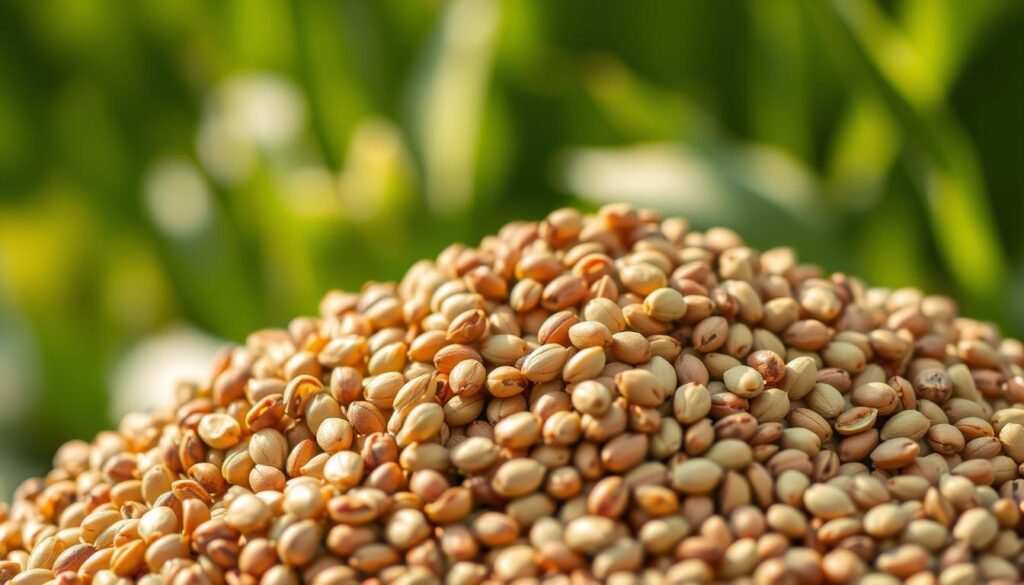
The “resistant” label is not just a claim. It’s your plants’ bulletproof vest against microbes. Modern Farmer’s seed-buying timeline is not just a guide—it’s survival math:
- Order brassica seeds by January (aphids wait for no one)
- Secure nightshades before spring fever hits retailers
- Save 15% of your budget for CRISPR-edited wildcards
New varieties hit the market like TikTok trends. Heirlooms promise “heritage,” while bioengineered strains boast disease-resistant strength. Choosing seeds now is like playing chess.
Do you bet on that neon-purple tomato with “triple pathogen resistance,” or choose Brandywine?
“Seed catalogs are climate change’s crystal ball—what thrives today might ghost you next season.”
Pro tip: Check resistance claims against your region’s USDA pest maps. That “new variety” claiming drought tolerance? Make sure it’s been tested in dry soils. Your crops are more than plants—they’re valuable assets.
Tips for Managing New Varieties
Think new seed varieties are like adopting a rescue greyhound? You’re not wrong. They’re sleek, fast, and come with quirks that’ll keep you on your toes. But unlike pets, these genetic marvels demand precision ag strategies sharper than a TikTok algorithm. Let’s break down how to turn those 71.3% potato yield spikes from lab fantasy to field reality.
First rule: Treat seed coatings like your smartphone case. Protective? Absolutely. Invincible? Hardly. That polymer armor dissolves faster than a pop star’s career if you skimp on soil prep. For optimal seed germination, match planting depth to variety specs like you’re decoding a vaccine formula – one miscalculation and the whole batch goes sideways.
Field-Tested Playbook for Tech-Driven Crops
- Spacing: Plant like you’re solving a chess puzzle – 12” rows for root veggies, 30” for leafy giants
- Moisture monitoring: Deploy soil sensors like undercover agents tracking hydration levels
- Growth tracking: Use drone footage more obsessively than your Instagram feed
“The future of farming isn’t in the seeds – it’s in how we listen to them.”
| Method | Traditional Yield | Tech-Enhanced Yield | Time Savings |
|---|---|---|---|
| Precision Spacing | 180 lbs/acre | 308 lbs/acre | 14 hours/season |
| Smart Irrigation | 62% germination | 89% germination | 22% water reduction |
| Drone Monitoring | 3 pest outbreaks | 0.5 outbreaks | 8 scouting trips |
Here’s the kicker: ORNL’s plant transformation research proves crops now speak in binary. Their team boosted stress tolerance using gene editing tools more precise than a Michelin-star chef’s knife. But remember – even CRISPR-enhanced seeds can’t fix poor rotation planning. Rotate crops like you’re shuffling a Spotify playlist: unexpected enough to prevent resistance, familiar enough to maintain yields.
Final pro tip? Document everything. That hybrid corn reacting oddly to nitrogen? It’s not being dramatic – it’s sending data. Track micro-changes like you’re analyzing midterm polls, because in seed tech, every decimal point tells a story.
Understanding Labeling & Certification
Ever feel like seed packaging speaks in riddles? Welcome to agriculture’s version of Da Vinci Code. Those tiny symbols and acronyms aren’t just decorative flair – they’re the difference between a bumper crop and a botanical meltdown.

Let’s break down the crop approval process: imagine a reality TV show where plants compete for survival. The USDA plays judge, jury, and executioner, testing everything from drought resistance to pest tolerance. New 2024 Seed Treatment Stewardship Guide requirements add another layer – think of it as the plot twist where contestants suddenly need hazmat suits.
Here’s what you’re really buying when choosing top seed brands:
- Certification codes (the plant equivalent of a background check)
- Treatment disclosures (chemical cocktails vs. organic elixirs)
- Sustainability claims (more scrutinized than a TikTok influencer’s sponsorship deal)
Greenwashing: Agriculture’s Filter Bubble
The term “sustainable fertilizer” has become as overused as pumpkin spice lattes in October. Recent label audits reveal 1 in 3 “eco-friendly” claims vanish faster than Snapchat messages under scrutiny. Our pro tip? Treat sustainability badges like Tinder profiles – swipe right only after verifying:
| Certification | What It Actually Means | Red Flags |
|---|---|---|
| USDA Organic | No synthetic inputs for 3+ years | “Transitional organic” loopholes |
| Non-GMO Project Verified | DNA testing for modified genes | Doesn’t address pesticide use |
| Fair Trade Certified | Ethical labor practices | No soil health requirements |
That treatment code stamped on your seed packet? It’s more critical than your Wi-Fi password. The updated stewardship guide now requires buying seeds with explicit chemical disclosure – no more “mystery ingredient” roulette.
Remember: Certification isn’t just paperwork. It’s your insurance policy against ending up with corn that thinks it’s bamboo. Next time you’re browsing seeds, treat the label like your ex’s Instagram story – read between the lines, and don’t believe the highlight reel.
Practical Advice
Let’s get to the point and talk about real strategies for growing great crops. Precision ag isn’t just about the latest tech. It’s about being smarter than a raccoon in a corn maze.
The first rule of farming innovation club? Always start with soil analysis. CLA’s latest field studies show:
- Test 6″ below surface for nutrient ghosts haunting your yields
- Match amendments to your seed innovations’ specific cravings
- Rotate testing zones like you’re shuffling a deck of soil cards
Now, let’s talk about nitrogen management. The goal is to give your plants just the right amount. Not too much, not too little. Recent data suggests:
- Time applications using weather apps smarter than your dating profile
- Pair slow-release formulas with cover crops doing double duty
- Monitor runoff like it’s your ex’s social media feed
When storing seed innovations, keep your shed cool. Aim for 45-50°F humidity levels and:
- Label batches like they’re classified government documents
- Use silica packets like bouncers keeping moisture out
- Rotate stock like you’re DJing the world’s nerdiest club night
“Protecting pollinators starts long before planting season – it’s baked into every decision from seed selection to harvest timing.”
The key to precision ag is combining tech with old-school observation. That drone map is useless unless you’re walking fields like a detective. Found a weak spot? Diagnose it like WebMD for crops – but with actual accuracy.
Here’s the final tip: Treat your farming innovation log like a billionaire’s diary. Track everything from rainfall patterns to that weird fungus outbreak. Future-you will high-five present-you when next season’s planting decisions take 20 minutes instead of 20 days.
Conclusion
This seed revolution is like Walter White’s cookbook, but with bigger yields. The discovery of nutrient-regulating plant tissue changes botany. CRISPR-ready farmers are excited for 2024’s Nuello iN.
Modern crop breeding has moved up a notch. That 9% rice plumpness boost is real. It’s thanks to AtBG_ppap proteins, which decide nutrient packages for seeds. But, these innovations work best with old-school soil wisdom.
Climate-smart agriculture and microbiome whispering are changing farming. The Kasahara Gateway is evolution’s quality control system. But, remember, genome editing needs stewardship.
So, get ready with your data tablets and heirloom seeds. The future is coming fast. We’ll have smarter crops, leaner resource use, and fatter harvests. Whether it’s Nuello’s European debut or soil health metrics, every seed planted today is a step towards tomorrow’s dinner table. Make it count.