Drought Disaster Declarations in Puerto Rico changed the farm support picture after prolonged dry conditions affected a large share of the island. On August 26, 2026, USDA approved a drought disaster declaration after a formal request submitted on August 10, 2026, according to the Puerto Rico Federal Affairs Administration. By September 2, 2026, the designation had expanded, and research notes show 38 municipalities were covered by federal drought disaster declarations.
How Drought Disaster Declarations Trigger Aid
A federal drought disaster designation does not repair crop losses by itself. Its immediate effect is administrative: it opens the door to specified USDA Farm Service Agency programs for eligible producers in designated primary and contiguous municipalities. For farmers managing limited water, stressed forage, weakened perennial crops, or livestock feed pressure, that access can affect near-term cash flow and recovery decisions.
Drought Disaster Declarations And FSA Access
The August declaration made eligible farmers able to access the Emergency Loan Program. The research notes specify that the program may be used to cover production expenses, replace essential property, refinance certain debts, and address other specified losses. That is a broad support channel, but it should not be read as an automatic payment or a fixed benefit. The available research does not provide dollar amounts by farm, application approval rates, or deadlines.
The declaration also enabled access to several USDA/FSA disaster assistance programs: the Livestock Forage Disaster Program, Emergency Assistance for Livestock, Honey Bees, and Farm-Raised Fish, Livestock Indemnity Program, Emergency Conservation Program, Noninsured Crop Disaster Assistance Program, and Tree Assistance Program. Each program addresses a different category of agricultural loss or recovery need. That distinction matters because drought affects Puerto Rican farms in uneven ways. A livestock operation facing forage stress has different needs from a fruit grower dealing with tree damage, and a producer without standard crop insurance may be affected differently from one with other coverage.
What The August Approval Covered
The August 26 declaration designated 26 municipalities as eligible for federal agricultural aid, split between 13 primary municipalities and 13 contiguous municipalities. Research notes identify included municipalities such as Cabo Rojo, Ponce, Yauco, Aibonito, and Lares. That structure reflects how disaster programs often treat directly affected areas and adjacent areas, though the exact farm-level result depends on eligibility and documentation.
The practical effect of Drought Disaster Declarations is that a farm business can move from waiting for disaster recognition to assessing specific federal support channels. For producers, that can shape whether to replace damaged property, refinance qualifying debt, stabilize livestock operations, or address conservation repairs. Still, the declaration is only the starting point. Farmers should confirm program fit with the appropriate USDA/FSA office before making financial commitments based on expected assistance.
Municipal Coverage Expanded In September
The September 2, 2026 expansion widened the geographic reach of federal drought support. According to the research notes, three more municipalities were added as primary disaster areas: Barranquitas, Caguas, and Guayama. Sixteen more were added as contiguous areas, including Aguas Buenas, San Juan, San Lorenzo, and Trujillo Alto among others. The total number of municipalities covered by federal drought disaster declarations rose to 38.
The Shift From 26 To 38 Municipalities
The move from 26 to 38 covered municipalities is significant because drought damage is not limited by farm boundaries or municipal lines. Water shortages can affect feed availability, planting decisions, perennial crop health, and livestock management across adjoining areas. Expanding coverage can bring more producers into the group eligible to seek federal assistance, though the research does not state how many farms or acres were newly covered.
As of late August 2026, more than 33% of Puerto Rico was under extreme drought conditions, and another 30% was under severe drought, according to The Washington Post. Those figures help explain why the declaration carried importance beyond a narrow set of farms. When more than half of an agricultural region is in severe or extreme drought categories, the effects can spread through local feed markets, labor needs, water hauling decisions, and post-drought recovery planning.
Coverage expansion also has community-level implications. Rural economies often depend on farm cash flow, farm labor, input purchases, transport services, and local markets. A producer who can keep livestock, repair conservation structures, or replant damaged trees may also help sustain demand for local services. Administrative capacity matters in that process. For readers interested in broader service networks beyond agriculture, Alliance Recruitment offers insight into recruitment services.
Farm-Level Support And Sustainable Decisions
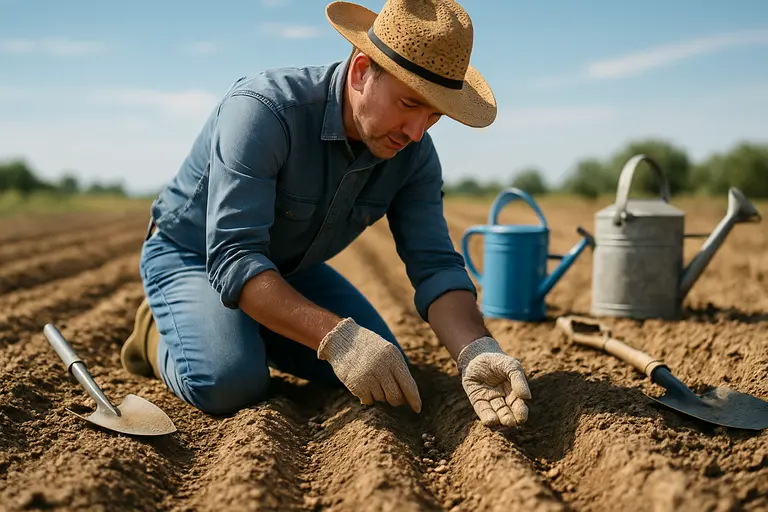
Drought aid is often discussed as emergency support, but its connection to sustainable farming deserves close attention. In Puerto Rico, where many farms face water constraints and high exposure to weather shocks, disaster assistance can influence whether producers make short-term survival decisions or longer-term recovery decisions. The key question is not whether aid removes drought risk. It does not. The better question is whether it gives farmers enough room to protect productive assets and avoid choices that deepen future vulnerability.
Livestock Trees And Water-Stressed Systems
The list of available programs shows the range of exposed farm systems. LFP is tied to livestock forage needs. ELAP addresses livestock, honey bees, and farm-raised fish. LIP is tied to livestock losses. ECP is connected with emergency conservation needs. NAP applies where eligible noninsured crop losses are involved. TAP relates to trees. Taken together, these channels recognize that drought stress moves through agriculture in several ways: reduced forage, impaired animal systems, damaged perennial crops, and conservation concerns.
For sustainable farm management, that range matters. A livestock producer may be deciding whether to buy feed, reduce herd size, or seek support for eligible forage-related losses. A grower with tree crops may be assessing damage that affects production beyond a single harvest cycle. A farm with conservation damage may need repairs that reduce erosion or protect future production capacity. The available research does not give enough detail to say how each farm should respond, but it does show that the declaration connects multiple production systems to federal support channels.
Producers should treat disaster assistance as one part of a larger drought plan rather than a substitute for planning. Practical steps may include reviewing water availability, tracking losses, preserving receipts, identifying damaged assets, and comparing program eligibility before taking on new debt. Because the research does not include application periods or payment formulas, any financial planning based on these programs should remain cautious until farm-specific information is confirmed.
Puerto Rico Drought Disaster Declarations And Farm Planning
The recent Puerto Rico drought declarations show how federal farm support works after weather stress becomes severe enough to trigger formal action. The August 26, 2026 declaration opened access for 26 municipalities. The September 2, 2026 expansion brought the total to 38 covered municipalities. The programs identified in the research span emergency loans, livestock forage, livestock and honey bee support, livestock indemnity, emergency conservation, noninsured crop losses, and tree assistance.
For producers, Drought Disaster Declarations are best viewed as a bridge between immediate losses and recovery planning. They may help eligible farms address production expenses, damaged property, qualifying debt, and specific crop or livestock losses. They do not, based on the available research, provide a clear estimate of total aid, timing, or average assistance by region.
That uncertainty is not a weakness in the declaration itself; it is a reminder that disaster designations are the first administrative step. The harder work happens farm by farm, where producers must match losses to program rules, document impacts, and decide how support fits into drought resilience. For Puerto Rico agriculture, the declarations matter because they create access at a time when severe and extreme drought affected a substantial share of the island. The lasting value will depend on how effectively eligible farms can connect that access with practical recovery decisions.