Food shortages stem from system failures, not just bad weather. Modern famine prevention strategies require a mix of genetic science, efficient logistics, and precise field data. Farm managers play a direct role in global food security by adapting their operations to withstand extended droughts and supply chain disruptions. Building a resilient farm means planning for worst-case scenarios well before the planting season begins.
Seed Genetics and Crop Diversification
Relying on a single crop variety leaves an entire region vulnerable to an isolated disease or extreme weather event. Agronomists push for planting drought-tolerant hybrids alongside traditional cash crops. This approach spreads the financial and nutritional risk. If a severe dry spell destroys the primary corn yield, the secondary sorghum or millet crop survives to provide both cash flow and caloric output for the region.
Global agricultural bodies track these risk factors heavily. Researchers at the Food and Agriculture Organization monitor global planting habits to warn regions when their crop diversity drops too low. Farmers who plant multiple genetic variations protect their local markets from sudden total failure.
Post-Harvest Storage and Logistics
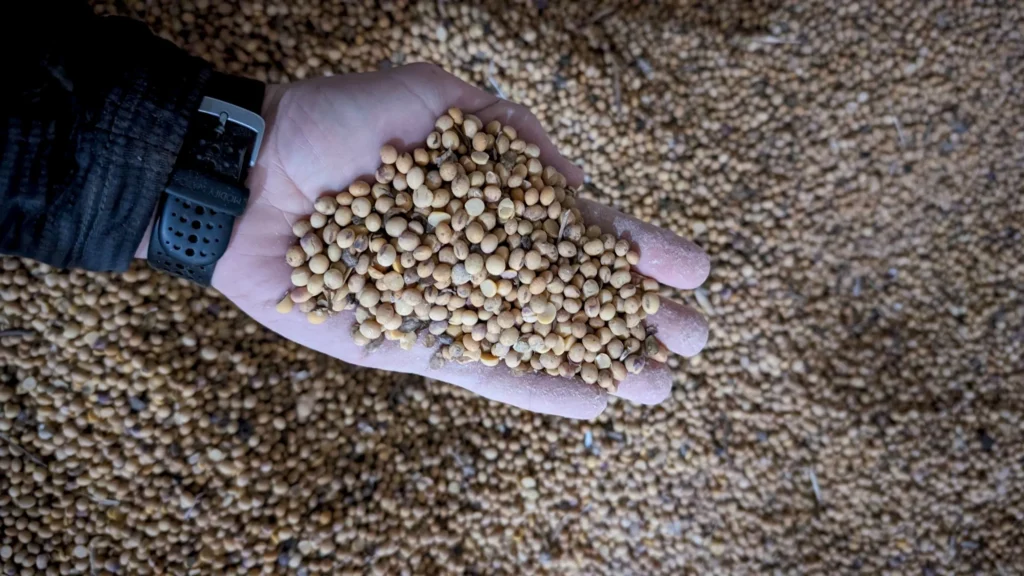
Growing the food solves only half the equation. Massive amounts of grain rot in bins or spoil during transport every year. Upgrading storage facilities stands as a primary defense against food shortages. Modern grain bins use automated aeration and moisture sensors to keep harvested crops stable for months.
Poor roads and outdated storage facilities force farmers to sell their harvest immediately. This floods the market, dropping prices, and leaves the region empty-handed months later. By investing in on-farm storage, managers control the flow of calories into the market. Upgrading field logistics speeds up the harvest window, getting crops out of the weather and into safe bins faster. High-capacity combines and autonomous grain carts reduce the time grain sits exposed to the elements. Better machinery equals less spoiled food.
Predictive Analytics in Resource Management
Water management dictates survival during dry years. Farmers use predictive weather modeling and soil moisture probes to apply water exactly when the plant needs it most. This precision keeps crops alive when regional water supplies run low.
Making these calls requires accurate, region-specific data. Knowing where to get local crop science information allows farm managers to adjust their fertilizer and irrigation schedules based on actual soil conditions, rather than guessing. Groups like the World Bank Agriculture and Food division fund projects that put these weather stations and soil sensors directly into the hands of rural farmers. Closing the data gap keeps yields stable.
Comparing Reactive and Preventive Methods
Waiting for a drought to happen guarantees lower yields. Preventive planning stabilizes the entire food supply chain from the field to the consumer.
| Strategy Type | Action Taken | Operational Impact |
| Reactive | Replanting after crop failure | High cost, low survival rate |
| Preventive | Planting drought-resistant hybrids | Stable yield, managed risk |
| Reactive | Selling grain immediately to dodge rot | Low market price, zero reserves |
| Preventive | Investing in climate-controlled bins | Market control, secure local supply |
The focus stays firmly on preparation. Combining strong seed genetics with smart field technology builds an agricultural system capable of feeding populations through severe environmental stress.
Food shortages stem from system failures, not just bad weather. Modern famine prevention strategies require a mix of genetic science, efficient logistics, and precise field data. Farm managers play a direct role in global food security by adapting their operations to withstand extended droughts and supply chain disruptions. Building a resilient farm means planning for worst-case scenarios well before the planting season begins.
Seed Genetics and Crop Diversification
Relying on a single crop variety leaves an entire region vulnerable to an isolated disease or extreme weather event. Agronomists push for planting drought-tolerant hybrids alongside traditional cash crops. This approach spreads the financial and nutritional risk. If a severe dry spell destroys the primary corn yield, the secondary sorghum or millet crop survives to provide both cash flow and caloric output for the region.
Global agricultural bodies track these risk factors heavily. Researchers at the Food and Agriculture Organization monitor global planting habits to warn regions when their crop diversity drops too low. Farmers who plant multiple genetic variations protect their local markets from sudden total failure.
Post-Harvest Storage and Logistics
Growing the food solves only half the equation. Massive amounts of grain rot in bins or spoil during transport every year. Upgrading storage facilities stands as a primary defense against food shortages. Modern grain bins use automated aeration and moisture sensors to keep harvested crops stable for months.
Poor roads and outdated storage facilities force farmers to sell their harvest immediately. This floods the market, dropping prices, and leaves the region empty-handed months later. By investing in on-farm storage, managers control the flow of calories into the market. Upgrading field logistics speeds up the harvest window, getting crops out of the weather and into safe bins faster. High-capacity combines and autonomous grain carts reduce the time grain sits exposed to the elements. Better machinery equals less spoiled food.
Predictive Analytics in Resource Management
Water management dictates survival during dry years. Farmers use predictive weather modeling and soil moisture probes to apply water exactly when the plant needs it most. This precision keeps crops alive when regional water supplies run low.
Making these calls requires accurate, region-specific data. Knowing where to get local crop science information allows farm managers to adjust their fertilizer and irrigation schedules based on actual soil conditions, rather than guessing. Groups like the World Bank Agriculture and Food division fund projects that put these weather stations and soil sensors directly into the hands of rural farmers. Closing the data gap keeps yields stable.
Comparing Reactive and Preventive Methods
Waiting for a drought to happen guarantees lower yields. Preventive planning stabilizes the entire food supply chain from the field to the consumer.
| Strategy Type | Action Taken | Operational Impact |
| Reactive | Replanting after crop failure | High cost, low survival rate |
| Preventive | Planting drought-resistant hybrids | Stable yield, managed risk |
| Reactive | Selling grain immediately to dodge rot | Low market price, zero reserves |
| Preventive | Investing in climate-controlled bins | Market control, secure local supply |
The focus stays firmly on preparation. Combining strong seed genetics with smart field technology builds an agricultural system capable of feeding populations through severe environmental stress.