The old way to deal with pests in fields is loud and obvious. You spot a bug, spray chemicals, and hope it works. Farmers call this “spray and pray.” It’s like fixing a broken dam with a band-aid.
A smarter approach is coming. It’s a shift from fighting pests to managing your land wisely. It’s like switching from an action movie to a clever thriller.
The main idea is simple: know your enemy first. Instead of spraying chemicals right away, we use science. We learn about the pest’s habits and where it lives.
This method focuses on preventing problems and caring for the environment. It tackles the root cause, not just the symptoms. For more on this approach, check out our guide on understanding the basics of this holistic approach.
This isn’t just a method. It’s a smarter, safer way to grow crops. It’s how experts solve problems.
Monitoring and Thresholds
The first rule of sustainable pest management: know thy enemy better than they know themselves. It’s not about starting a war without a plan. It’s about gathering information first. Our technicians are like detectives, not just exterminators.
They start by carefully inspecting everything. It’s not just about finding bugs. They check the whole ecosystem. They map entry points and note any moisture issues. They study pest life cycles like Sherlock Holmes studies clues.
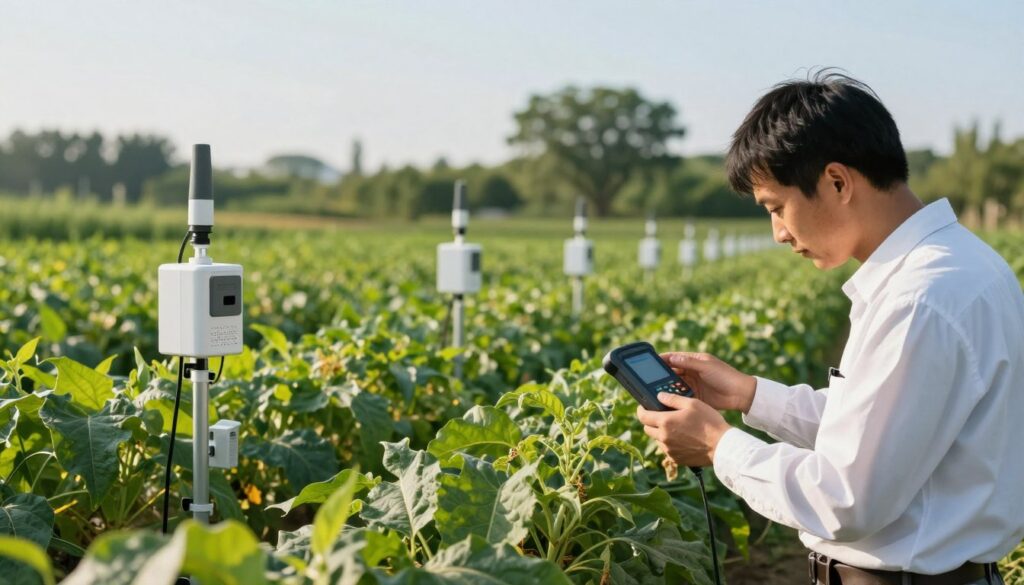
Knowing what pest you’re dealing with is key. Is it a brown marmorated stink bug or something harmless? Understanding the pest’s habits and weaknesses is crucial. This helps avoid unnecessary damage.
They look at the environment like a doctor reads a chart. They check temperature, humidity, and crop health. These factors tell a story.
The core idea is the action threshold. This is where sustainable pest management gets really smart. It’s not just about feeling like there are too many bugs. It’s a scientific point where action is needed.
This point is when pests start to cause real problems. Treating too early is like giving antibiotics for a cold. It builds resistance and wastes money. It also disrupts the farm’s natural balance.
Regular checks turn this idea into action. It’s like getting a check-up instead of waiting for a serious problem. We track pest activity like a meteorologist tracks storms. This careful tracking is what makes it sustainable.
By knowing when pests are a problem, we can act at the right time. This saves resources and protects good bugs. It’s all about precision.
This creates a cycle. Monitoring helps set thresholds. Thresholds guide when to take action. The result is a farm that works like a living system, not a war zone. This is the smart way of sustainable pest management. It replaces panic with a plan.
It uses targeted action instead of just spraying at set times. In the end, you’re not just fighting pests. You’re managing a whole system with care and respect.
Control Methods (Bio/Physical/Chemical)
In modern farming, IPM farming uses chemical pesticides wisely. It’s like a queen in chess—powerful but not used first. You start with pawns and knights, not the queen.
This smart order is key to a sustainable pest management plan. It’s not about killing everything. It’s about controlling pests smartly.

Biological Control is your first line of defense. It’s like having nature’s spies. Ladybugs and lacewings kill aphids. Microscopic nematodes fight grubs in the soil.
These natural fighters work for free once they’re in place.
Physical and Cultural Controls come next. It’s like changing the game rules to help your crops. You starve pests and block their paths.
Cultural methods change the environment. Crop rotation confuses pests. Sanitation removes their hiding spots.
It’s like making your field a luxury resort for plants and a bad motel for bugs.
Physical methods create barriers. Row covers keep moths out. Sticky traps catch flying insects. Fine mesh on greenhouse vents is a smart move.
These methods need effort but leave no chemical residue.
Only when other methods fail do you use Chemical Control. But it’s not a blanket attack. It’s a precise strike. You choose the least-toxic option and apply it only where needed.
This targeted approach is at the heart of the official IPM framework. It protects your soil allies and prevents super-pests.
| Control Method | How It Works | IPM Role & Advantage |
|---|---|---|
| Biological | Uses living organisms (predators, parasites, pathogens) to suppress pest populations. | First choice. Self-sustaining, highly specific, and builds ecosystem resilience. |
| Cultural | Alters the farm environment and practices (sanitation, crop rotation, planting time). | Preventative foundation. Reduces pest pressure long-term by making the habitat less inviting. |
| Physical/Mechanical | Creates barriers, uses traps, or manually removes pests (hand-picking, exclusion nets). | Immediate, non-toxic intervention. Provides direct control without chemical side effects. |
| Chemical | Applies pesticides, with a strong preference for bio-rational or targeted synthetics. | Last resort, precision tool. Used selectively to preserve efficacy and protect non-target species. |
This table is more than a list. It’s a battle plan. The order, from biological to chemical, is crucial for sustainable pest management. It’s not just about killing pests today. It’s about managing the ecosystem for tomorrow’s harvest.
Educating Workers
Even with the best IPM strategy, it’s useless if your team doesn’t get it. Sustainable pest management needs a human touch to work. Your team is the heart of your operation.
Imagine a perfect seal that’s undone by someone else. Or moisture control that fails because of overwatering. It’s not about being careless. It’s about a gap in knowledge.
Education is the key to closing this gap. But it’s not just about handing out pamphlets. It’s about building a culture of care and vigilance.
Your team becomes your first line of defense. They learn to spot pests early and understand the reasons behind the rules. They know why keeping areas clean is crucial.
Training covers important areas like sealing gaps and controlling moisture. Workers learn to handle waste and make landscaping changes to keep pests away. They also improve food storage and keep areas clean.
These actions are not just routine. They are strategic moves in the game of sustainable pest management.
Workers become active participants, not just observers. They take ownership of pest control. Studies show that educated teams have better results with fewer interventions.
They take pride in sealing gaps and managing moisture. They follow strict waste handling protocols. These changes make it hard for pests to get a foothold.
This education keeps paying off. Every sealed grain bin and every well-managed irrigation system helps prevent pests. Knowledge spreads through your team like beneficial microbes in soil.
Organizations like Agheiro show how training programs can change your operation. Their approach is ongoing, adapting to new challenges.
IPM becomes more than just a plan. It’s a way of thinking. A well-educated team anticipates and solves problems before they happen.
Your most effective control method is your team’s knowledge. Sustainable pest management thrives on human effort. Educate your workers, and you’re not just fighting pests today. You’re building a strong defense for the future.
ROI and Yields
Let’s get down to business. Does this smart way of fighting pests really make money? The numbers look good, but the real proof is in the soil and the financial reports.
IPM farming is a smart investment, not a constant cost. You swap the endless buying of chemicals for managing your ecosystem upfront. This cuts down on the need for frequent services and lowers costs over time by stopping problems before they start.
The numbers show that healthier plants mean more yield. Plants without chemical stress and pests grow better. They produce crops of higher quality, which can sell for more in today’s market.
Think about the bigger picture. Being green is attractive. An IPM program meets strict health standards, important for schools, hospitals, and exports. It creates a story that today’s shoppers appreciate and support.
The real gain from IPM farming goes beyond just money. It’s about growing strong crops, keeping ecosystems healthy for future generations, and enjoying peace of mind. That’s the wise choice for today’s farmer.