Agricultural operations face tight labor markets and rising production costs. Farm managers must evaluate new machinery the same way they assess a top-tier recruit: based on efficiency, skill requirements, and return on investment.
The latest farm equipment review focuses on autonomous tractor platforms hitting the market in 2026. These machines shift the human capital requirement from manual driving to remote systems monitoring.
Evaluating these platforms reveals clear differences in performance, fuel consumption, and software integration. Human resources now align directly with mechanical capabilities.
Evaluating Autonomous Operating Systems
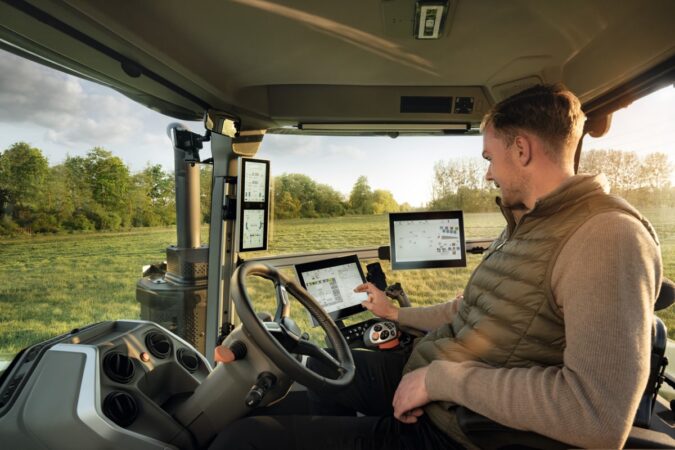
Modern agricultural tractors operate more like mobile computing platforms than traditional combustion engines. Farm recruiters now look for operators capable of managing digital interfaces rather than basic mechanics.
We tested the new autonomous drive units deployed across Midwest corn operations. The software allows a single remote operator to manage up to three machines simultaneously. This capability drastically reduces the seasonal hiring volume required during planting and harvest windows.
The user interface provides real-time telemetry, mapping data, and diagnostic alerts directly to a centralized dashboard. Operators catch mechanical faults before physical breakdowns occur.
By relying on precision farming tools, farms optimize both human labor and machine hours. The equipment acts as a force multiplier for a smaller, highly trained crew.
Cost Analysis and Labor Reductions
Capital expenditure on advanced machinery requires strict financial justification. The upfront cost for an autonomous-ready high-horsepower tractor sits approximately twenty percent higher than standard models.
The offset comes from decreased hourly labor expenses and extended operational windows. Machines run continuously through the night without requiring shift changes or risking operator fatigue.
We see a direct correlation between advanced equipment adoption and lower recruitment costs for temporary seasonal staff. Recent USDA economic research shows farm labor availability continuing to shrink, forcing operations to substitute capital for labor.
Investing in hardware that requires less human intervention creates a stable production environment. The machine effectively fills the vacant seats in the seasonal roster.
| Metric | Traditional Tractor Fleet | Autonomous Tractor Fleet |
| Operator Requirement | 1 Operator per Machine | 1 Operator per 3 Machines |
| Initial Capital Cost | Baseline | +20% Premium |
| Operational Window | 12-14 Hours (Human Limit) | 24 Hours (Continuous) |
| Skill Level Needed | Mechanical / Driving | IT / Systems Management |
Operator Skill Requirements
The profile of an ideal farm employee shifts completely with this equipment. Evaluating the latest machines shows a clear need for systems management skills. We no longer just hire drivers; we recruit equipment technicians.
The training period for the new software platforms averages three weeks for baseline proficiency. Candidates with backgrounds in IT or network management adapt faster than traditional operators.
Farms upgrading their fleet must factor these training cycles into their seasonal planning. National farm technology data indicate operations offering continuous technical training retain top talent at higher rates. Building a specialized workforce creates a lasting competitive advantage.
Long Term Maintenance Tracking
Mechanical longevity depends heavily on predictive maintenance. The latest equipment includes sensors that track oil viscosity, hydraulic pressure, and component wear in real-time.
This diagnostic capability reduces emergency hiring needs for specialized mechanics during peak seasons. The farm manager schedules repairs during planned downtime.
We analyze equipment not just on peak output, but on historical uptime metrics. Reliable hardware keeps the entire farm workforce moving efficiently.
Integrating these machines into current agriculture markets requires upfront planning. The operational stability they provide makes them a valuable asset to any modern farming fleet.