The Next-Generation Farmer Fund, announced on August 7, 2026, set a clear target: more than $1 million in combined direct financial support and technical assistance for beginning farmers under age 40 who are adopting climate-smart and environmentally sustainable practices. Whole Foods Market and the National Young Farmers Coalition described the initiative as a way to support younger producers facing capital constraints while trying to invest in soil, water, biodiversity, and farm resilience, according to the Whole Foods announcement.
As of August 25, 2026, the program had been announced, but applications had not yet opened. The expected application window begins in October 2026, with recipients scheduled to be announced in early 2027. That timing matters. Any climate or business impact from the grants remains prospective, not proven. The useful question now is not whether the fund has already changed production outcomes, but whether its design addresses practical barriers that young farmers report in adopting climate-smart systems.
What The Next-Generation Farmer Fund Covers
Next-Generation Farmer Fund Grant Timing
The Next-Generation Farmer Fund is structured around grants ranging from $10,000 to $50,000 per recipient. That range is large enough to affect specific farm investments, but it is not large enough to finance every capital-heavy transition. For example, a grant may help pay for a discrete soil health, water, biodiversity, or supply-chain resilience project. It may not fully cover land acquisition, major equipment replacement, or large irrigation upgrades.
The fund’s stated focus includes climate-smart and environmentally sustainable farming practices. Eligible areas named in the research materials include carbon sequestration and soil health efforts, water quality improvements, biodiversity enhancements, supply chain resilience initiatives, and other sustainability measures. These categories match the types of investments many small and beginning farms consider but often delay because cash flow is tight.
- Soil health: practices tied to carbon sequestration and improved soil function.
- Water quality: investments that reduce runoff risk or improve water management.
- Biodiversity: habitat and ecological improvements that can support farm resilience.
- Supply chain resilience: projects that help farms manage production, handling, or market access risks.
Whole Foods Market also committed a $500,000 dollar-for-dollar match for contributions from participating brands and companies through November 30, 2026. That match is intended to help the fund reach more than $1 million in support. The match structure gives the program a private-sector funding base, although the final number of awardees had not been reported as of August 25, 2026.
Why Young Farmers Need Larger Climate Grants
Capital Access And Equity Gaps
The strongest case for the Next-Generation Farmer Fund is the capital barrier facing young farmers. The 2024 National Young Farmer Survey results cited in the fund materials reported that 41% of all young farmers said access to capital to grow their businesses was very or extremely challenging. The reported share was higher among Black farmers at 59% and among all BIPOC farmers at 54%.
Those figures point to a practical problem in climate-smart adoption. Many sustainability practices carry upfront costs before they produce measurable returns. Cover crops, soil amendments, fencing for managed grazing, water-related improvements, postharvest handling, and habitat work can all require planning, labor, materials, and cash. A farmer with limited operating reserves may understand the agronomic case but still hesitate to take on added risk.
The grant range also reflects a lesson from earlier, smaller support efforts. Prior micro-grants of about $5,000 were described in the research materials as insufficient for many climate-smart infrastructure or sustainable practice investments. Moving to grants of $10,000 to $50,000 does not remove financial risk, but it can better match the scale of many on-farm projects.
Equity is part of the market analysis, not a separate issue. If young farmers and BIPOC farmers face higher capital constraints, then adoption of climate-smart agriculture may become uneven. That uneven adoption can affect regional supply chains, local food access, and the ability of farms to meet buyer expectations for sustainability practices. Related coverage on federal farm grants examines how program design can affect underserved farms facing similar cost and access barriers.
How The Next-Generation Farmer Fund Fits Public Programs
A Practical Fit With USDA Loans
The Next-Generation Farmer Fund sits beside public financing programs rather than replacing them. USDA’s Farm Service Agency lists climate-smart agriculture farm loan options, including microloans of up to $50,000 and other direct ownership or operating loans that can support conservation practices, equipment purchases, and other farm improvements, according to USDA FSA loan information.
The grant-and-loan distinction is significant. Loans must be repaid and can add debt exposure, even when they finance productive assets. Grants reduce the repayment burden, but they are competitive and limited. A young farmer may need both: grant support for a high-priority conservation investment and loan financing for equipment, operating costs, or land-related needs.
This mix also affects farm planning. A producer applying for support will likely need a clear project budget, timeline, and explanation of expected farm benefits. For climate-smart projects, that may include describing the practice, the acreage or enterprise affected, the expected management change, and how the investment supports soil, water, biodiversity, or resilience goals. Clear writing will not make a weak project strong, but unclear documentation can make a sound project harder to evaluate. Producers seeking outside help with plain-language proposal materials sometimes compare general writing support resources available on a related site in the same network, while still keeping farm data, budgets, and compliance decisions under their own control.
Measuring Likely Climate-Smart Agriculture Effects
Evidence Needed After Awards
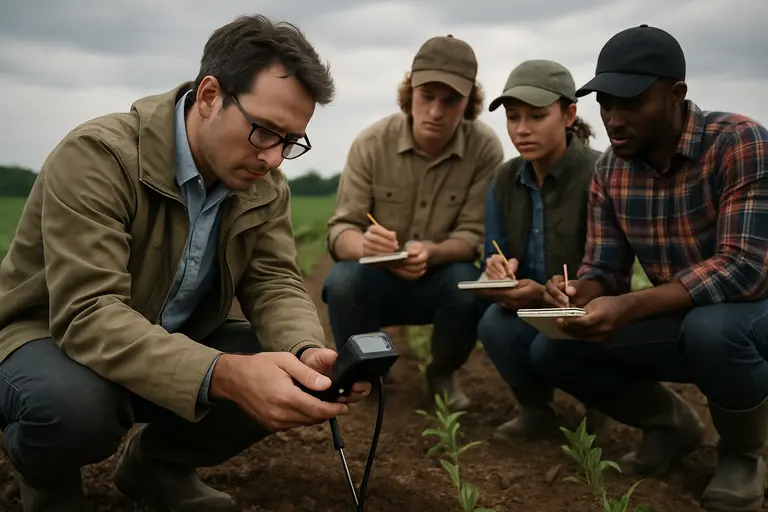
The potential climate-smart impact of the fund will depend on what projects are selected in early 2027 and how outcomes are tracked after funds are distributed. A grant for soil health may have different measurable results than a grant for water quality or supply-chain resilience. Some benefits, such as reduced erosion risk or improved soil organic matter trends, may take multiple seasons to assess. Other benefits, such as purchasing needed equipment or installing a farm improvement, may be visible sooner.
Care is needed in describing expected outcomes. The fund can support climate-smart practice adoption, but the research notes do not provide estimates of greenhouse gas reductions, soil carbon gains, water quality changes, or yield effects. Those outcomes should not be assumed before projects are completed and measured. A cautious assessment would track award size, practice type, farm type, geography, implementation status, and follow-up indicators.
There is also a market angle. Buyers and food companies are asking more questions about supply chain resilience and environmental practices. Grants that help beginning farmers meet those expectations may improve access to certain markets, but that will depend on buyer requirements, documentation standards, production scale, and regional demand. The fund’s supporting partners include a mix of food and agriculture-related companies, which suggests private-sector interest in the next generation of sustainable producers, but the research does not show how individual buyers will source from grant recipients.
For farm managers, the most practical approach is to treat the program as one possible capital source rather than a full business plan. A climate-smart project still needs to pencil out under local conditions. Soil type, rainfall, crop mix, livestock integration, labor availability, and market access will shape whether a practice is financially and agronomically suitable.
Next-Generation Farmer Fund Signals For Farms
The Next-Generation Farmer Fund signals that private food-sector capital is being directed toward young producers who are trying to adopt climate-smart agriculture. Its grant size is more meaningful than earlier micro-grants described in the research materials, and its focus areas match many of the farm-level investments needed for soil, water, biodiversity, and resilience work.
Still, the program should be evaluated with restraint. Applications open in October 2026, awards are expected in early 2027, and measured impacts will come later. The fund may help reduce upfront cost barriers for selected farms, but it will not remove the broader challenges of land access, operating debt, labor, equipment cost, weather risk, and market volatility.
For young farmers, the immediate value is the chance to seek non-debt support for practical climate-smart projects. For buyers and policymakers, the program offers a small but useful test of how targeted grants and technical assistance can support beginning producers. The key evidence will come after awards are made: which farms receive support, which practices are implemented, and whether those investments create durable agronomic and business benefits.