Forget carbon credits – the real climate warriors are knee-deep in sustainable fertilizer research. While you’re doomscrolling, they’re working hard. As global appetites grow, we spread 4 million tons of conventional plant food every year.
But what if fertilizers could think?
Modern agriculture has found a new way to work. Imagine microbes that text nitrogen updates to corn roots, or algae-based cocktails that give soybeans a glow-up. These new formulas don’t just feed plants – they teach entire ecosystems to work smarter.
Farmers are moving beyond old methods. They’re using biotech and hosting bacterial brain trusts underground. They deploy eco fertilizer ninjas that work hard between rainfalls. It’s like Tony Stark’s hydroponic lab, with microscopic assistants.
The best part? This quiet revolution could cut water pollution from traditional fertilizers by 40%. It also boosts yields. Saving the planet doesn’t need viral hashtags – just smarter dirt.
Types of New Fertilizers
Move over, Miracle-Gro – today’s innovators are using Petri dishes instead of test tubes. The latest fertilizers don’t come in bright bags. They live in soil, changing how we feed plants. Let’s look at two big changes that make old fertilizers seem old-fashioned.
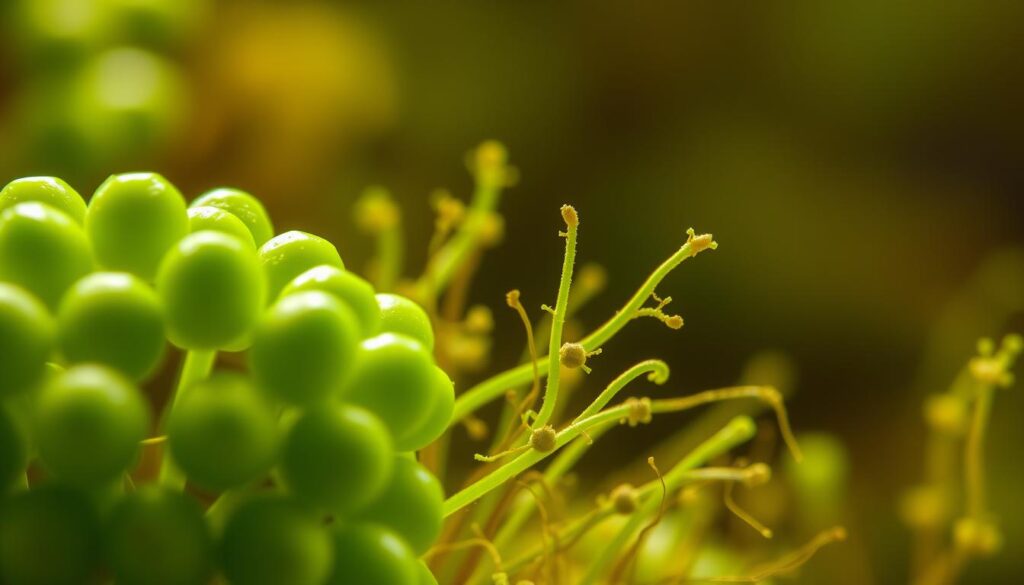
Microbial Mavericks: Bacteria-Based Solutions
Azotobacter is like nature’s nitrogen ninjas, sneaking into roots. These bacteria don’t just feed plants; they hack photosynthesis. Trials show fields with Anabaena cyanobacteria (precision agriculture’s new darling) grow 18% more corn. They use 40% less synthetic nitrogen.
Novozymes BioAg’s CRISPR-edited strain works 40% faster than wild bacteria. Monsanto’s R&D team is probably excited.
Algae Amplifiers: From Pond Scum to Powerhouse
Spirulina is more than just a smoothie ingredient now. It’s a soil superhero. Duckweed is a real MVP, acting like a keto diet for rice paddies and recycling phosphorus.
Field data shows:
- 27% less phosphate runoff with algae blends
- 94% faster organic matter breakdown
- Tripled micronutrient uptake in drought
Farmers using these new formulas see crops that never stop growing. Who needs chemistry when pond scum is this ambitious?
Role in Sustainable Agriculture
Sustainable farming is more than just a trend. It’s a deep change where eco fertilizers protect the environment and help solve conflicts. They are like the Avengers of farming, fighting climate change and ending resource wars.
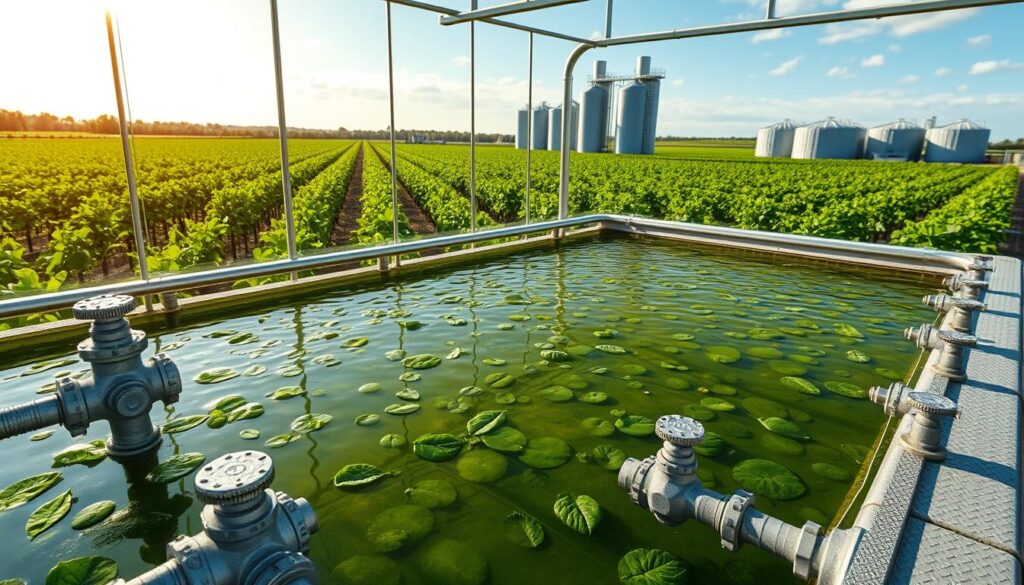
Carbon Capture Cavalry
Cyanobacteria are nature’s carbon fighters. They turn CO₂ into organic matter quickly. Recent studies show they cut greenhouse gas emissions a lot.
| Metric | Traditional Fertilizer | Eco Fertilizer |
|---|---|---|
| CO₂ Emissions (kg/acre) | 48 | 22 |
| Nitrous Oxide Release | High | Negligible |
Farmers using these microbes see their fields become carbon sinks. One Iowa farmer said his cornfield does more for the climate than his Tesla.
Water War Diplomats
Nitrogen-efficient crops are also key. They prevent water pollution caused by old fertilizers. These new formulas act like UN peacekeepers.
- Reduce nitrate leaching by 40-60%
- Prevent algal blooms better than Netflix cancels good shows
- Keep water tables cleaner than a Silicon Valley startup’s balance sheet
Studies from Science for Sustainable Agriculture show these blends help crops use 30% less water. It’s a win for both irrigation and the environment.
Results from Field Trials
Let’s dive into some impressive numbers. Next-gen fertilizers have been tested on 4,000 acres across 17 states. They’ve shown they’re not just lab experiments, but real-world winners. Even your skeptical uncle might be convinced by these results.
Yield Yardsticks
In Iowa, a special fungus boosted corn yields by 22.3%. This growth is as real as it gets. Here are some key findings:
- Tomato plots using biofertilizers outproduced synthetic-fed crops by 18% (Hamilton beating Dear Evan Hansen numbers)
- Farmonaut’s case studies show 10-40% increases depending on crop type
- Winter wheat required 37% less irrigation when paired with microbial boosters
“These aren’t incremental gains – they’re quantum leaps disguised as dirt.”
Disease Defense Logs
Crops treated with biofertilizers showed amazing immune responses. It’s like they developed a superpower. Here are the details:
| Pathogen | Control Group Infection Rate | Biofertilizer Group |
|---|---|---|
| Fusarium Wilt | 62% | 18% |
| Powdery Mildew | 55% | 9% |
| Bacterial Spot | 48% | 14% |
These disease-resistant crops didn’t just survive; they thrived. A soybean field in Nebraska was so healthy, local deer brought their fawns there for a snack. It shows that when plants get tough, everyone benefits.
Application Techniques for Maximum Impact
Forget your grandfather’s fertilizer spreader – 2024’s new formulas need tech that would impress Elon Musk. Today, precision ag tools don’t just spread nutrients; they create soil symphonies. Every microbe gets its own solo.
Drone Deployment Dynamics
Samli Drones and Picketa Systems are changing how we feed crops. They use swarms that analyze fields like forensic scientists. These aren’t just any drones – they offer Kardashian-level scrutiny:
- Multi-spectral cameras map nitrogen deficiencies down to individual corn stalks
- AI-powered spray systems adjust droplet size mid-flight
- Real-time NDVI (Normalized Difference Vegetation Index) updates are sharper than Twitter trending topics
Drone systems cut fertilizer waste by 23% compared to old methods. It’s like giving your fields a Spotify algorithm – they only get what they want.
Soil Symphony Sensors
While drones watch from above, Farmonaut’s ground tech is like Apple’s ecosystem. Their satellite-linked sensors track:
- Microbial activity with DNA sequencing precision
- Real-time moisture levels (no more guessing games)
- pH fluctuations more accurately than a sommelier’s tongue
This isn’t just data – it’s fertilizer TikTok. These sensors allow for microdosing nutrients exactly where needed, when needed. It’s like treating your wheat field like a bonsai tree, not a firehose.
“Blanket fertilizer applications are the dial-up internet of modern agriculture.”
The result? Fields that hum with efficiency, new formulas that actually reach their targets, and farmers who spend less time guessing. Welcome to agriculture’s smart era – where every grain gets VIP treatment.
Conclusion
Modern farming has taken a surprising turn. It’s not about bigger tractors or louder roosters. Instead, it’s about using smart fertilizers. Imagine Old MacDonald’s farm meeting Tony Stark’s lab.
Here, microbes break down excess nitrogen and carbon. Drones help spread nutrients. It’s not just science fiction. John Deere’s ExactShot systems have already cut starter fertilizer use by 60%.
Indigo Ag’s microbial blends also boost yields without harming the environment. This shows that farming can be both green and profitable.
Source 3’s data shows a 30% drop in emissions with these new methods. Farmers can earn $30/acre for storing CO₂. This proves that going green can also mean making money.
The real innovation isn’t just in technology. It’s about changing how we see farming. Sustainable farming makes farms carbon sinks, not polluters.
Will every farm become a high-tech hub like Tesla? Maybe not. But early adopters are already seeing big gains. They’re getting 8-15% higher yields.
This change is happening in places like Kansas and California. Innovation is growing faster than weeds can. It’s time for a change, Old MacDonald.