Weather conditions across the Midwest continue influencing crop expectations as farmers, commodity analysts, and agricultural organizations evaluate the latest production forecasts for corn and soybeans. The 2026 growing season has brought shifting weather patterns across major farming states, creating new challenges for producers managing planting decisions, input costs, and market risks.
The U.S. Department of Agriculture’s National Agricultural Statistics Service (NASS) continues monitoring crop conditions through field surveys, satellite information, and producer reports. These forecasts provide important indicators for agricultural markets because corn and soybeans represent two of the largest commodity crops in the United States.
Farmers across Iowa, Illinois, Indiana, Minnesota, and Nebraska are watching rainfall patterns, soil moisture levels, and temperature trends as crops move through critical development stages. Changes in weather conditions can influence yield potential, grain quality, and profitability before harvest begins.
The relationship between weather and production forecasts demonstrates the importance of agricultural data. Producers increasingly combine traditional field observations with digital monitoring tools to make decisions throughout the growing season.
USDA Crop Forecasts Track Changing Midwest Production Conditions
The USDA publishes regular crop reports that evaluate planted acreage, crop conditions, expected yields, and production estimates. These reports influence decisions throughout the agricultural supply chain, from farmers and grain elevators to commodity traders and food manufacturers.
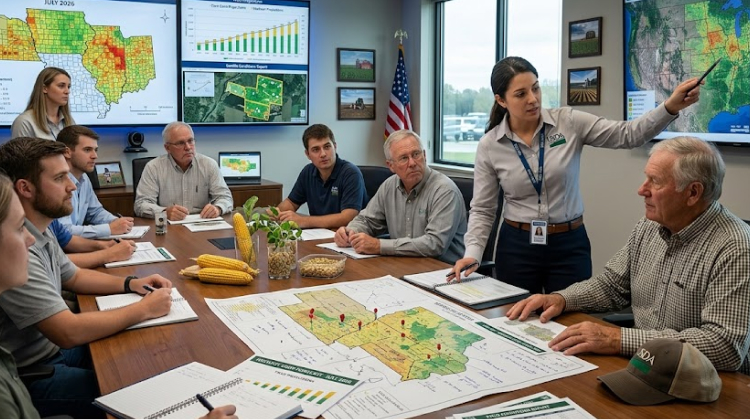
The USDA National Agricultural Statistics Service crop reports provide detailed information about production expectations across major agricultural regions.
The 2026 season continues a pattern where farmers must adapt to changing environmental conditions. Early-season planting progress, rainfall distribution, and temperature fluctuations have created different production scenarios across the Corn Belt.
| Crop | Major Producing States | Key Forecast Factors |
|---|---|---|
| Corn | Iowa, Illinois, Nebraska, Minnesota, Indiana | Rainfall, heat conditions, soil moisture |
| Soybeans | Iowa, Illinois, Minnesota, Indiana, Ohio | Planting progress, moisture levels, growing conditions |
Corn and soybean forecasts are especially significant because these crops influence livestock feed markets, renewable fuel production, exports, and agricultural income.
Soybean Plantings Reflect Changing Market Conditions
Soybean production decisions are influenced by both environmental conditions and agricultural market factors.
Farmers evaluate soybean prices, input expenses, export demand, and crop rotation strategies when determining planting choices. Changes in acreage allocation between corn and soybeans can affect national supply expectations.
The Midwest remains the center of U.S. soybean production, with Illinois and Iowa among the leading soybean-producing states.
Soybeans also play an important role in global agricultural trade. Export demand, especially from international markets, can influence producer decisions before and after harvest.
The combination of weather conditions and market signals creates a complicated decision environment for farmers. Production forecasts help provide information, but final outcomes depend on conditions throughout the remainder of the growing cycle.
Farmers Use Technology To Monitor Crop Health
Modern crop forecasting increasingly combines traditional agricultural methods with advanced technology.
Satellite systems can identify differences in vegetation health across large fields. Drone imagery provides detailed views of specific areas experiencing stress. Digital farm platforms organize information from multiple sources into management recommendations.
These technologies help producers respond faster when conditions change.
For example, a farmer managing hundreds or thousands of acres may use crop monitoring data to identify areas affected by drought stress or excess moisture. Instead of treating every acre the same, management decisions can be based on specific field conditions.
Precision agriculture has become increasingly important as farms face higher production costs. Improving efficiency with fertilizer, water, and crop protection products can influence profitability during uncertain market conditions.
The expansion of digital farming systems also creates more accurate information for agricultural forecasting. Data collected from farms contributes to broader production analysis used by government agencies and agricultural organizations.
Midwest Weather Patterns Influence Corn Yield Expectations
Corn production depends heavily on moisture availability during several important stages, including pollination and grain development.
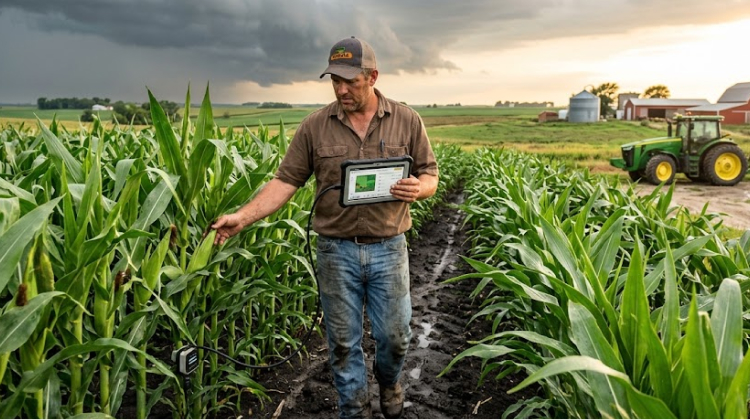
States such as Iowa and Illinois account for a significant share of national corn production, making weather conditions in these regions closely monitored by agricultural analysts.
Periods of excessive heat can increase crop stress by accelerating plant development and reducing moisture availability. Heavy rainfall events can create different challenges, including delayed field access, nutrient loss, and disease pressure.
Farmers are increasingly using field monitoring systems to identify areas where crops may require additional management decisions. Soil moisture sensors, satellite imagery, and weather platforms provide information that helps producers evaluate crop conditions across large areas.
Digital agriculture tools allow farmers to compare current conditions with historical field data. This information supports decisions about irrigation, nutrient applications, and crop protection strategies.
Weather Risks Continue Shaping Agricultural Planning
Weather remains one of the largest variables affecting crop production forecasts.
The Midwest experiences a wide range of environmental conditions that can change quickly during the growing season. Farmers must prepare for drought periods, excessive rainfall, heat waves, and storms that can affect crop performance.
Climate patterns have increased interest in risk management strategies, including improved soil practices, diversified rotations, and technology-based monitoring systems.
Farmers are also incorporating conservation practices that improve soil structure and water retention. Cover crops, reduced tillage, and improved nutrient management can help fields maintain productivity during difficult weather conditions.
These practices connect production goals with long-term resource management.
Commodity Markets React To Production Forecast Changes
Crop production forecasts influence agricultural markets because expected supply levels affect pricing decisions.
When forecasts indicate strong production potential, markets may respond with lower price expectations because larger supplies become available. Lower production estimates can create different market conditions as traders evaluate possible shortages.
Corn and soybean markets respond to information from USDA reports, weather developments, export activity, and global production trends.
Farmers use these market signals when making decisions about storage, sales timing, and future planting strategies.
Grain elevators, processors, and livestock producers also monitor production forecasts because crop availability affects their operations.
The connection between weather data and commodity markets demonstrates why accurate agricultural reporting remains important for the entire food supply chain.
Future Crop Decisions Depend On Data And Adaptation
The latest USDA production forecasts highlight the continued importance of weather monitoring and agricultural data across the Midwest.
Corn and soybean producers are managing a growing number of variables, including environmental conditions, market changes, and production costs. Technology provides additional information that helps farmers evaluate risks and improve operational decisions.
The 2026 growing season will continue developing as farmers monitor crop conditions through harvest. Final production results will depend on weather conditions during key development periods and the effectiveness of management strategies used throughout the season.
Agricultural forecasting has become a combination of field experience, scientific measurement, and digital analysis. The ability to collect and interpret information will remain an important factor for American farmers managing future crop production challenges.