Predicting sudden changes in what buyers want is key for today’s farm managers. Getting it right helps cut down on waste and improve logistics. Knowing market cycles lets companies deliver products when they’re most in demand.
Things like weather changes and economic shifts play big roles in these trends. For example, how much people spend shows a strong link to when crops are ripe. These factors put a lot of pressure on managing stock levels all year.
To keep up, many businesses use smart AI to track seasonal crop demand closely. These systems look at huge amounts of data to forecast changes early. By using digital tools, companies make sure they can deliver fresh goods efficiently all over the country.
Doing well in this area means knowing how the season affects what retailers need. Adjusting to these natural patterns ensures supply meets demand perfectly. This forward-thinking approach helps brands keep quality high, even when it’s busiest.
Key Takeaways:
- Weather and economic shifts are primary drivers of annual market volatility.
- Advanced AI technology significantly improves the accuracy of inventory predictions.
- Efficient supply chains rely on aligning harvest cycles with consumer purchasing habits.
Historical crop demand patterns
Understanding historical demand patterns is key for businesses to predict and prepare for seasonal changes. By looking at past data, companies can spot recurring patterns and changes tied to specific times or events. This helps them adjust their strategies.
In the agriculture sector, demand for certain crops changes a lot throughout the year. Agriculture forecasting is vital here. It helps businesses anticipate and prepare for these changes. For example, distributors can stock up on seeds and fertilizers before the planting season starts, ensuring they meet customer needs.
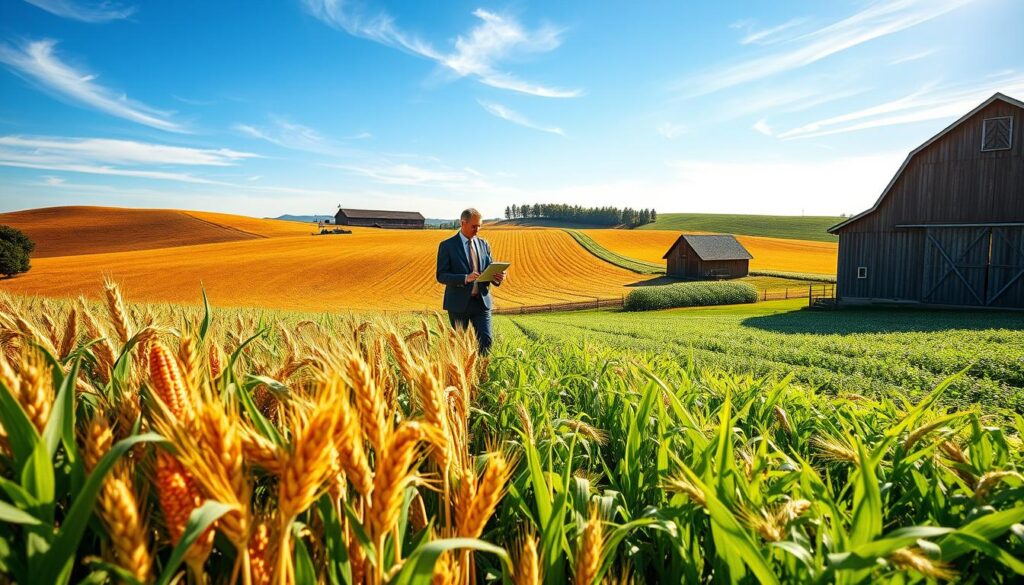
Understanding the Difference Between Regular and Seasonal Demand Forecasting
Regular demand forecasting looks at overall trends and general demand without looking at periodic changes. On the other hand, seasonal demand forecasting considers the periodic changes that happen at fixed intervals, like yearly cycles. This is very important in industries like agriculture, where seasonal changes greatly affect demand.
Seasonal demand forecasting helps businesses plan more precisely. By knowing when demand will be higher or lower, companies can optimize their production, inventory, and marketing efforts. This improves efficiency and reduces waste and unnecessary costs.
Key Benefits of Seasonal Demand Forecasting
- Improved Inventory Management: By accurately predicting demand, businesses can keep the right amount of stock, avoiding stockouts or overstocking.
- Enhanced Production Planning: Seasonal forecasting lets companies adjust production schedules based on expected demand, ensuring they’re ready for busy times.
- Better Resource Allocation: With a clear view of future demand, businesses can use resources more wisely, whether it’s people, materials, or marketing funds.
By using historical crop demand patterns and understanding seasonal demand forecasting, agriculture businesses can make better decisions. This leads to improved efficiency and customer satisfaction.
Weather and supply influences
Seasonal changes in crop demand are influenced by many factors, including weather. Weather can greatly affect how much and how well crops are produced. This, in turn, changes the supply and demand in the agricultural market.
Weather’s impact on farming is complex. Droughts can cut down crop yields, while too much rain can damage crops. Knowing how weather affects farming is key for making good forecasts and managing supply chains well.
Methods of Seasonal Demand Forecasting
There are different ways to forecast seasonal demand in farming, like using numbers and expert opinions. Quantitative forecasting uses past data, like sales and inventory levels, to spot seasonal trends.
Some common methods include moving averages, exponential smoothing, and seasonal indexing. These methods compare year-to-year data to guess future demand.
| Forecasting Method | Description | Advantages |
|---|---|---|
| Moving Averages | Averages demand over a fixed period | Simple to implement, smooths out fluctuations |
| Exponential Smoothing | Gives more weight to recent data | More responsive to changes, easy to adjust |
| Seasonal Indexing | Adjusts for seasonal variations | Accurate for seasonal demand patterns |
Qualitative forecasting methods use expert opinions and market insights to predict demand. These are helpful when past data is not reliable or available.
Using both numbers and expert opinions can give a clearer picture of future demand. This helps everyone involved make better decisions.
Using forecasts for planning
Accurate forecasting helps companies make smart choices, leading to growth and stability. By using agriculture forecasting and other tools, businesses can get ready for changes in demand.
For companies using ERP systems like Acumatica or Microsoft Dynamics 365 Business Central, good forecasting depends on the data quality. When ecommerce platforms don’t connect with ERP systems, it’s hard to make quick decisions.
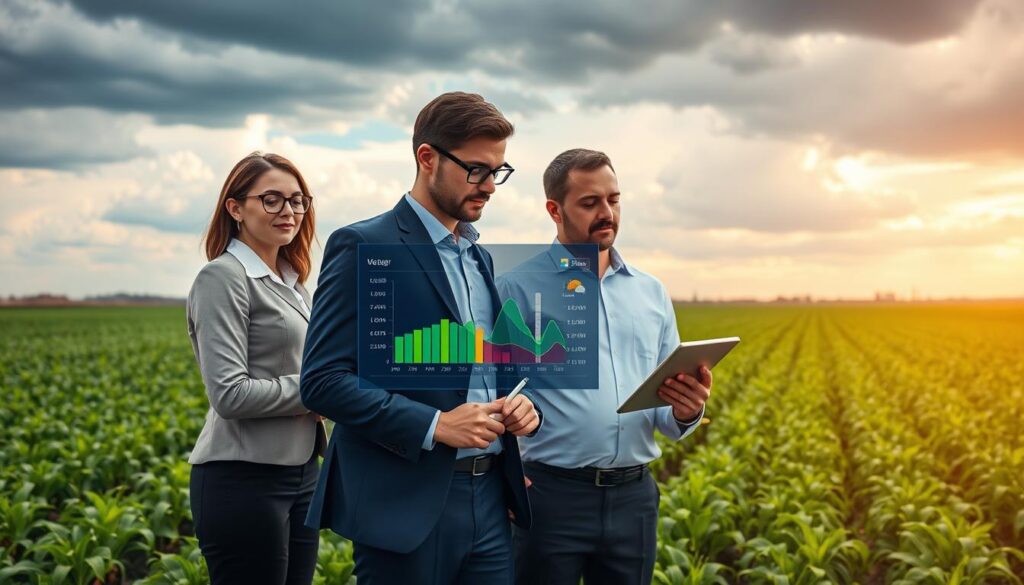
But, by linking ecommerce with ERP systems through K-ecommerce, businesses can keep orders, inventory, and customer data up to date. This connection helps companies plan for seasonal changes ahead of time, not after.
Building Resilient Growth with Seasonal Forecasting
By combining forecasting tools with ERP systems, companies get real-time insights into demand. This helps make better decisions on production, inventory, and marketing.
For example, businesses can plan their production based on expected demand. This means they have enough stock during busy times and avoid too much during slow times. It makes operations more efficient and keeps customers happy with timely deliveries.
To find out more about using ERP forecasting tools for seasonal planning, check out Rand Group’s insights on seasonal demand.
Effective seasonal forecasting is more than just predicting demand. It’s about building a business that can adjust to market changes. This way, companies can stay ahead and grow steadily.
Risk management strategies
Effective risk management is key for businesses facing seasonal crop demand. Advanced forecasting and ERP systems help companies prepare for supply chain disruptions. This way, they can better handle changes in demand.
B2B sellers with ERP systems like K-ecommerce have an advantage. They get real-time updates on sales, inventory, and fulfillment. This helps them predict demand, serve customers quickly, and grow steadily through seasonal ups and downs.
Real-World Applications in Ecommerce
Seasonal demand forecasting in ecommerce has brought big benefits, mainly for B2B businesses. It helps them run better, keep customers happy, and stay competitive. Data-driven insights guide their strategic moves.
By using strong risk management and forecasting, ecommerce businesses can tackle seasonal challenges. They can also seize new chances that come with the seasons.