Modern farmers face many tough challenges from shifting weather patterns and high global demand. Researchers like Valentyna Klymiuk at the University of Saskatchewan study how biological diversity protects our food supply. By exploring seed genetics, experts find ways for plants to grow even in very dry or hot places.
Improving crop genetics is about much more than just growing more food. It focuses on building climate resilience to ensure we have enough to eat in the coming years. These advances help plants stand up to heat, pests, and long periods without rain.
Strong breeding programs lead the way in these vital agricultural changes. They give farmers the specific tools they need to stay productive during difficult growing seasons. This work helps create a stable food supply for people across the whole world.
Traits Farmers Should Evaluate
Farmers need to pick the right crop varieties for their farms. They should look at several key traits. These traits help ensure the crops meet the farm’s goals and fit the local environment.
Two important traits are yield and disease resistance. Yield is how much a crop can grow under the best conditions. Disease resistance means a crop can fight off or get over diseases.
Yield and Disease Resistance
Yield is key for a farm’s success. Crops that grow a lot can make a farm more productive. Disease resistance helps avoid losses from diseases and cuts down on chemical use.
Dr. Klymiuk worked on mixing wild and domesticated wheat. This helped bring in traits like disease resistance to farming. For more on disease-resistant farming, check out disease-resistant farming.
Balancing Yield and Resistance
Finding the right balance between yield and disease resistance is important. Farmers should pick varieties that do well in both areas. A high-yielding crop that can’t fight diseases won’t do well in disease-prone areas.
| Trait | Importance | Benefit |
|---|---|---|
| Yield | High | Increased productivity |
| Disease Resistance | High | Reduced crop loss and lower pesticide use |
| Crop Genetics | Critical | Improves seed performance and overall crop resilience |
Yield Potencial vs Field Conditions
The way a crop’s yield and the field it’s in interact is key to farming success. To get the best from crops, knowing how these two elements work together is vital.
Seed genetics are key in setting a crop’s yield. To make sure crops do well in different places, they’re tested for years. This helps farmers choose the right seeds for their land.
Evaluating Yield Potencial
Checking a crop’s yield involves looking at its genetic traits. This includes how fast it grows, when it’s ready to harvest, and if it can fight off diseases. Advanced seed genetics help crops do better in tough spots.
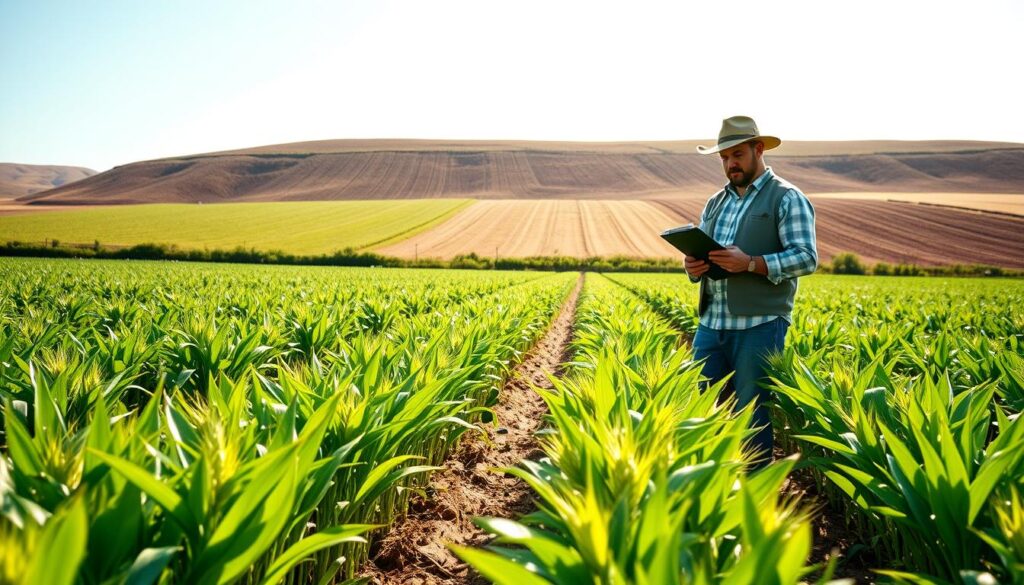
Assessing Field Conditions
It’s also important to check the field conditions. Things like soil type, how wet or dry it is, and temperature changes affect crops. Farmers need to think about these to create the best growing space.
Checking the field means looking at the soil’s health, how well it drains, and how much sunlight it gets. Knowing these helps farmers pick the right seeds and manage their land well.
- Soil type and quality
- Moisture levels and irrigation needs
- Temperature and climate conditions
By carefully looking at yield and field conditions, farmers can boost their crop production. This leads to better farming results overall.
Disease and Stress Tolerance
Disease and stress tolerance are key in crop genetics. They affect how well seeds perform. Crops face many diseases and stresses that can lower their yield. So, it’s important to create crops that can handle these challenges better.
Importance of Disease Resistance
Disease resistance is vital in crop genetics. It helps reduce the need for harmful pesticides. This makes farming safer and healthier for our planet.
Disease-resistant crops have many benefits. They save crops, cut down costs, and are better for the environment.
Breeding for Stress Tolerance
Breeding crops for stress tolerance means finding genes that help them survive tough conditions. This includes drought, heat, and salt. Advanced breeding methods help crops become more resilient.
Benefits of disease-resistant and stress-tolerant crops include:
- Less chemical use
- Better crop yields
- Safe food
- Greener farming
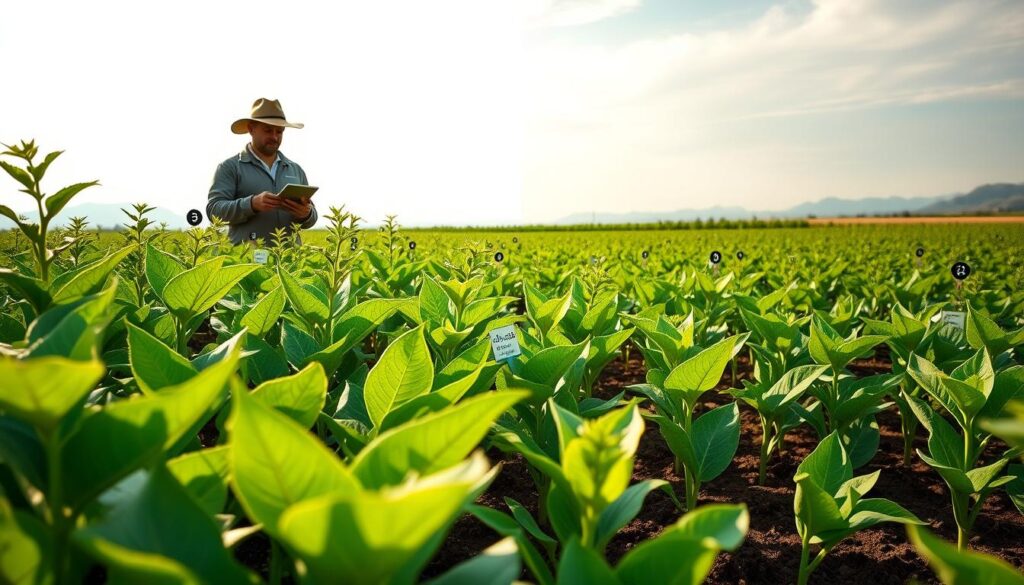
By focusing on disease and stress tolerance in crop genetics, we can grow stronger crops. This boosts seed performance and helps make farming more sustainable.
Matching Genetics to Farm Goals
It’s key to match seed genetics with farm goals for profit and sustainability. Farmers need to understand how genetics, environment, and management work together. This knowledge helps them make smart choices for better crop production.
Optimizing Crop Genetics for Sustainability
Breeders focus on creating seeds that fit local needs and are grown sustainably. This makes crops more resilient and helps the environment. The Alberta Seed Guide shows how important it is to mix genetics, environment, and management for the best results.
Achieving Sustainable Agriculture
Choosing the right crop genetics helps farmers tackle specific challenges. It boosts yields, fights diseases, and makes farming more sustainable. This targeted approach makes farming more resilient and productive.
Breeding programs are key in creating seeds that meet local farming needs. By focusing on genetics that fit regional conditions, breeders support farmers. This helps them reach their goals and promotes sustainable farming.