The August crop forecast from the U.S. Department of Agriculture represents one of the most closely monitored agricultural updates before the fall harvest season. Corn and soybean producers across the Midwest use these projections to evaluate expected yields, storage strategies, input decisions, and market opportunities.
The USDA National Agricultural Statistics Service (NASS) August Crop Production report provides updated estimates based on field surveys, weather conditions, and crop development across major growing regions. These forecasts influence commodity markets because even small changes in expected production can affect supply projections for domestic use, exports, and livestock feed.
For farmers across Iowa, Illinois, Minnesota, Nebraska, and Indiana, the August outlook provides a clearer picture of whether fields are moving toward strong harvest results or whether weather challenges could reduce production potential.
USDA August Report Shapes Corn And Soybean Market Expectations
The August Crop Production report arrives during a critical period for Midwest agriculture. Corn enters the reproductive stage during July and August, while soybeans continue developing pods that determine final yield potential.
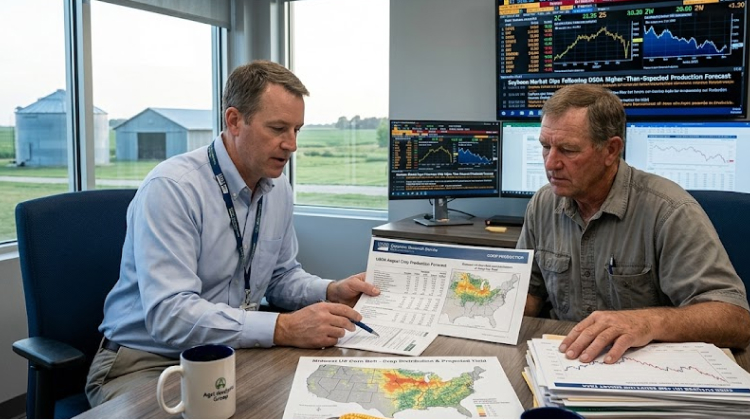
The USDA evaluates crop conditions through field observations and producer surveys. These assessments help estimate national production levels before combines begin widespread harvesting.
The USDA Crop Production Reports provide updated information about acreage, yields, and production expectations across major agricultural commodities.
| Crop | Primary Production Regions | Main Market Factors |
|---|---|---|
| Corn | Iowa, Illinois, Nebraska, Minnesota, Indiana | Yield expectations, ethanol demand, livestock feed |
| Soybeans | Illinois, Iowa, Minnesota, Indiana, Ohio | Export demand, soybean meal demand, global supply |
Corn and soybean markets respond quickly to changes in USDA projections. Higher production estimates can create pressure on commodity prices by increasing expected supply, while lower forecasts can strengthen prices as traders anticipate tighter inventories.
Corn Production Outlook Reflects Demand From Multiple Industries
Corn remains one of the most important agricultural commodities in the United States. The crop supports multiple industries, including livestock production, ethanol manufacturing, food processing, and exports.
Changes in projected corn yields influence the entire agricultural supply chain.
| Corn Market Segment | Impact From Production Changes |
|---|---|
| Ethanol Industry | Changes in available corn supply affect processing demand |
| Livestock Producers | Feed costs respond to corn price movement |
| Export Markets | Global buyers monitor U.S. supply availability |
| Farmers | Revenue expectations change with market prices |
The U.S. ethanol sector remains a major consumer of domestic corn production. Higher corn availability can support ethanol production margins, while lower supplies may affect operational decisions.
Livestock producers also monitor corn forecasts because feed represents a major operating expense. Changes in corn prices influence production costs for cattle, poultry, and hog operations.
Soybean Forecasts Reflect Global Trade Conditions
Soybean markets operate within a global agricultural economy. The United States competes with Brazil and Argentina as major soybean producers, making yield forecasts important for international buyers.
China remains one of the largest importers of soybeans worldwide. Export expectations can influence market prices throughout the growing season.
The USDA Foreign Agricultural Service commodity market reports provide international agricultural trade information used by producers, exporters, and analysts.
Strong U.S. soybean production can increase export competition and affect global pricing. Lower production forecasts may create opportunities for higher prices if demand remains stable.
Soybean producers also consider demand for soybean meal, a protein source used extensively in animal feed. Changes in livestock production worldwide can influence soybean market conditions.
Midwest Weather Conditions Influence Final Yield Potential
Weather remains one of the largest factors affecting crop production forecasts. During August, farmers closely monitor rainfall patterns, heat conditions, and soil moisture levels.
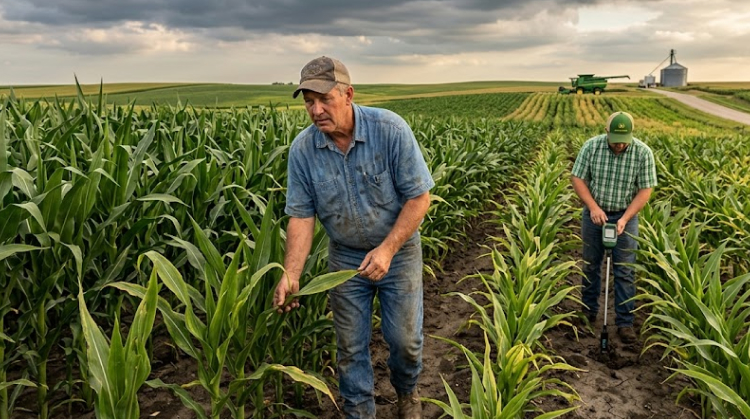
The Corn Belt experienced varying weather conditions throughout the growing season. Some regions benefited from adequate rainfall, while others faced periods of heat stress and uneven moisture distribution.
Corn plants require significant water availability during pollination and grain filling. Soybeans depend on favorable moisture conditions during pod development. Weather patterns during these stages can determine whether early-season expectations become final harvest results.
The USDA National Agricultural Statistics Service crop condition data tracks weekly crop conditions and provides insight into regional production trends.
Farmers use these updates alongside local field observations. A county receiving strong rainfall averages may still contain fields affected by drainage problems, soil differences, or localized weather events.
Farmers Adjust Harvest Strategies Based On Forecast Data
Crop forecasts provide important information, but farmers combine USDA projections with their own field data before making operational decisions.
Producers evaluate:
- Expected yields from individual fields
- Storage capacity requirements
- Commodity pricing trends
- Transportation availability
- Future planting decisions
Modern agricultural technology has increased the amount of information available to farmers. Yield monitors, satellite imagery, soil mapping, and precision farming platforms allow producers to compare USDA projections with conditions on their own operations.
Agheiro’s previous coverage of precision agriculture technology shows how data collection tools are changing farm management decisions.
These systems allow farmers to identify field-level differences that national reports cannot capture. A county-level forecast may show strong production potential, but individual farms may experience different outcomes based on soil quality, drainage, and management practices.
Grain Markets Respond To Storage And Supply Expectations
Harvest forecasts influence decisions beyond the farm gate. Grain elevators, transportation companies, exporters, and food processors prepare for expected supply levels months before harvest begins.
When production estimates increase, storage facilities evaluate available capacity. Large harvests can create logistical challenges if grain movement does not match production volume.
Farmers also decide whether to sell immediately after harvest or store grain for future market opportunities. These decisions depend on expected prices, storage costs, and market conditions.
Corn and soybean storage plays an important role in maintaining supply throughout the year. Strong harvest results can create opportunities for buyers, while smaller production levels may increase competition for available grain.
Technology Improves Crop Forecast Accuracy
Agricultural forecasting continues evolving through improved data collection methods. Satellite imagery, artificial intelligence models, and field sensors provide additional information that complements traditional agricultural surveys.
Farmers and agricultural organizations increasingly combine government reports with technology-based monitoring systems.
These tools help identify:
- Crop stress areas
- Soil moisture variations
- Disease risks
- Yield differences between fields
The combination of USDA reporting and precision agriculture creates a more detailed picture of U.S. crop conditions.
Future forecasting systems may continue incorporating additional data sources as agricultural technology develops.
2026 Harvest Expectations Depend On Final Growing Conditions
The August crop forecast provides an important benchmark for corn and soybean markets, but final production numbers depend on conditions during the remaining weeks before harvest.
Weather patterns during late summer can still influence yields. Producers continue monitoring rainfall, temperature trends, and crop development as harvest approaches.
For agricultural markets, the USDA August update provides essential information about supply expectations, pricing trends, and production decisions across the United States.
Corn and soybean farmers will continue using government reports, field observations, and technology-based insights to prepare for harvest and evaluate opportunities in the months ahead.