Corn Soybean Trends in the latest USDA data point to a clear shift in 2026 planting patterns: fewer corn acres than in 2025 and more soybean acres. The change does not prove one single cause, and it should not be read as a complete forecast for farm income or local basis levels. It does give farmers, grain buyers, lenders, and community agriculture groups a firmer starting point for discussing supply expectations, crop rotation choices, and storage decisions after the 2026 planting season.
The USDA National Agricultural Statistics Service reported on June 30, 2026, that corn planted area for 2026 was estimated at 95.3 million acres, down 3% from 2025, while soybean planted area was estimated at 85.4 million acres, up 5% from the prior year USDA acreage report. The same release estimated corn harvested for grain at 87.4 million acres, down 4% from 2025, and soybean harvested area at 84.4 million acres, up 5% from 2025.
What Corn Soybean Trends Show In Acreage Choices
Why Corn Soybean Trends Matter For Local Planning
Corn Soybean Trends should be treated as planning signals rather than complete answers. Acreage data show what farmers planted and expected to harvest at the time of the survey process. They do not, by themselves, explain whether individual decisions were driven by input costs, soil moisture, crop insurance considerations, rotation needs, local elevator bids, or other factors. A cautious reading is especially useful because one county can face very different conditions from another, even within the same state.
The 2026 acreage mix still points to a meaningful production adjustment. A 3% decline in planted corn area reduces the base from which the corn crop can be produced, even before yield outcomes are considered. A 5% increase in soybean planted area expands the acreage base for soybeans and raises the importance of soybean yield, export demand, and ending stocks in the 2026/27 balance sheet.
For community-level agriculture work, the acreage shift also affects practical decisions. Local grain storage demand may change if producers allocate more acres to soybeans. Feed users may pay closer attention to corn availability and carryover supplies. Conservation planners may see different field conditions depending on how rotations changed. None of these effects can be measured from the acreage headline alone, but the acreage report helps define the questions producers and rural organizations should ask.
Acreage Does Not Equal Final Supply
Planted acreage is only the first layer of the production picture. Harvested acreage, yield, crop condition, and demand all shape the final market result. The June 30 report estimated corn harvested for grain at 87.4 million acres, which was lower than in 2025. That matters because corn production depends on harvested acres multiplied by yield. If harvested acres decline, stronger yields would be needed to offset part of that acreage reduction.
Soybeans moved in the opposite direction in the June acreage data. Harvested soybean area was estimated at 84.4 million acres, up 5% from 2025. That larger harvested base gives the soybean crop more room to expand, but the final supply still depends on yield. Producers should be cautious about using acreage alone to predict storage needs, cash price pressure, or export availability.
Soybean Production Signals From USDA Market Outlook
The USDA Economic Research Service market outlook later showed a more developed soybean supply picture for marketing year 2026/27. ERS reported that the U.S. average soybean yield was increased from 52.7 to 52.8 bushels per acre, with planted acreage estimated at 86.9 million acres and harvested acreage at 85.9 million acres ERS soybean outlook. With slightly higher acreage and yield, U.S. soybean production was forecast at about 4.5 billion bushels, up 16 million bushels from the previous month’s forecast.
For producers, Corn Soybean Trends are not only about planting decisions. They also involve demand. ERS reported that the soybean export forecast for 2026/27 was raised to 1.69 billion bushels, while ending stocks were projected at 310.0 million bushels, about 10 million bushels lower than the prior month’s forecast. That combination suggests that larger production did not automatically translate into a larger ending-stocks projection in that outlook.
This is a useful reminder for farm planning. A larger crop can still meet stronger demand if exports or domestic use absorb the extra bushels. A smaller ending-stocks figure can support firmer market expectations, but price outcomes still depend on many factors not covered in the acreage data, including global production, currency values, freight costs, and buyer behavior. The USDA outlook provides a reference point, not a guarantee.
How Corn Data Compare With Soybean Momentum
The corn side of the 2026 picture is more cautious in the acreage data. Corn planted area at 95.3 million acres remains large in absolute terms, but the year-over-year decline shows that farmers allocated fewer acres to corn than in 2025. Expected corn harvested for grain also fell to 87.4 million acres. That does not mean corn supply was tight by default, but it reduces the acreage cushion available to the crop.
Soybeans moved the other way. The June acreage report showed higher planted and harvested areas, while the ERS market outlook later reflected a slightly higher soybean yield estimate and a production forecast near 4.5 billion bushels. That creates a clearer soybean expansion story than the corn acreage data offer. Farmers and grain merchandisers should still separate acreage direction from profitability. A crop can gain acres while margins remain narrow, especially if input costs, basis, or harvest logistics weigh on returns.
One practical step is to compare USDA data with local information. County yield history, soil type, drainage, irrigation access, and elevator capacity can all change how national acreage shifts affect an individual farm. For a related discussion of the acreage release and Midwest planting patterns, Agheiro’s coverage of the USDA acreage shift gives added context on the same broad data set.
Farm-Level Questions Raised By The Reports
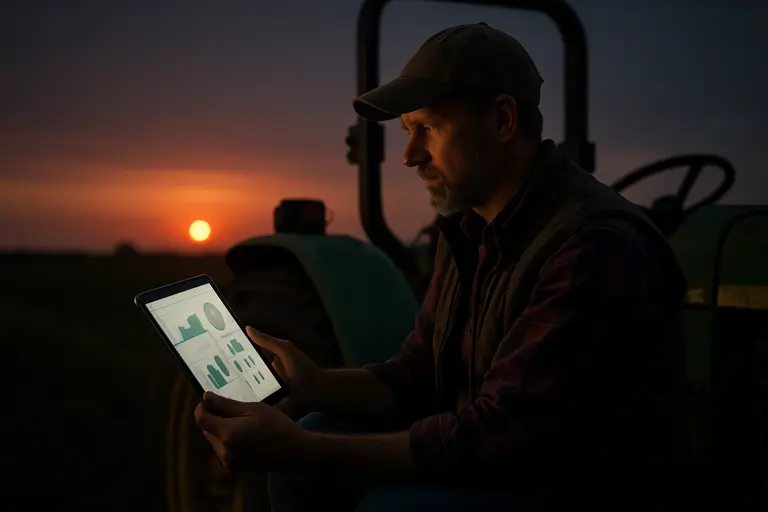
For sustainable farm planning, the best use of these reports is not to chase a single headline. It is to connect national data with farm records, conservation goals, and local market access. A producer with a strong soybean rotation may view the acreage increase differently from a livestock feeder who depends on local corn supplies. A grain cooperative may focus on handling capacity and delivery timing. A community agriculture group may use the data to help members discuss risk without overstating certainty.
- How do the 2026 acreage changes compare with each farm’s normal rotation?
- Do local storage and delivery plans fit the expected mix of corn and soybeans?
- Are marketing plans based on current USDA data and local basis information?
- Could soil health goals be protected while responding to market signals?
Clear public communication also matters. Farmers often make decisions using technical reports that are not always easy for non-specialists to read. Community organizations, extension-style groups, and local networks can help translate those reports into plain language. For readers interested in how local organizations share community information, the related site Bethel NC UMC provides an example of community engagement with information sharing in the same network.
Corn Soybean Trends And Practical Market Discipline
Corn Soybean Trends from USDA reports point to a 2026 crop mix with reduced corn acreage and expanded soybean acreage. The most supportable reading is narrow but useful: USDA acreage data showed fewer corn acres than in 2025, while soybean acreage rose, and later soybean market data pointed to slightly higher yield, higher production, stronger export expectations, and lower projected ending stocks than the prior month.
That information can support better farm conversations, but it should not replace local analysis. Producers still need to review field-level yield potential, storage costs, cash bids, transportation limits, and rotation needs. Sustainable decisions often come from combining national data with soil stewardship and community knowledge. The USDA reports give the market a shared reference point; the farm-level response should remain grounded, cautious, and specific to each operation.