Farm Equipment Repair became a more concrete policy issue for precision agriculture in 2026, after years of conflict over who could diagnose and service software-dependent machinery. As of September 6, 2026, the shift was no longer limited to voluntary industry promises. Settlements involving Deere & Company placed new repair-access obligations around diagnostics, software, manuals, and electronic parts pairing for large agricultural equipment.
The change matters because modern tractors, combines, sprayers, and harvesters increasingly depend on sensors, controllers, emissions systems, and proprietary software. A mechanical failure may still involve steel, hydraulics, or bearings, but the repair decision often begins with a diagnostic code. If farmers or independent repair shops cannot read that code, clear it, or restart the machine after a fault, practical repair choice narrows sharply.
Farm Equipment Repair Access After 2026 Settlements
What Farm Equipment Repair Access Covers
On July 8, 2026, the Federal Trade Commission and attorneys general from Arizona, Illinois, Michigan, Minnesota, and Wisconsin secured a settlement with Deere requiring the company to provide farmers and independent repair providers with the same repair resources it supplies to authorized dealers for 10 years, according to the FTC settlement. The covered resources include software, diagnostics, manuals, and related repair information.
The settlement followed an April 6, 2026 class-action settlement in which Deere agreed to a $99 million fund and repair commitments tied to large agricultural equipment. That earlier settlement required access to digital tools needed for maintenance, diagnosis, and repair for 10 years. Taken together, the April and July actions created a clearer repair framework than farmers had under non-binding memoranda alone.
The FTC-described repair tasks are practical rather than abstract. They include access needed to read, clear, and reset electronic fault codes; reprogram or pair new electronic parts; restart machines after emissions-related shutdowns; access technical manuals; and diagnose failure modes. For Farm Equipment Repair, the practical change is that software access becomes part of the maintenance toolset, not a separate gate controlled only through an authorized dealer channel.
Why Ten Years Matters
A 10-year term is significant because major farm machines often remain in service across many production cycles. Farmers make planting, harvest, and equipment-replacement decisions over long periods, not just one crop year. A multi-year repair-access requirement gives producers and independent shops more basis for training, tool purchases, and service planning.
Still, the settlement should be read carefully. It does not mean every farmer will instantly have the same skill, equipment, or risk tolerance as a dealer technician. High-tech repairs can still require training, calibration, safety procedures, and reliable documentation. The main change is access to resources, not a guarantee that every repair will be simple or inexpensive.
Why Diagnostics Matter In Precision Farming
High-Tech Machinery Raises Downtime Risk
Precision farming depends on timely field operations. Guidance systems, rate controllers, yield monitors, machine sensors, and connected displays can help farmers manage seed, fertilizer, fuel, and labor more carefully. Yet the same integration can increase downtime risk if a fault code blocks operation and only one service channel can diagnose the problem.
Farmers in remote areas have been especially exposed to delays when proprietary diagnostics or software access required authorized dealer service. The risk is not just the cost of a repair invoice. The larger exposure can be a missed planting window, a delayed harvest, or a machine sitting idle when weather allows fieldwork. Those timing pressures make repair access an economic issue as well as a technology issue.
Repair restrictions were estimated in an April 2023 report to cost surveyed farms thousands of dollars per year in downtime and extra service costs, but those figures should be treated as estimates from that report rather than universal farm-level outcomes. Actual costs vary by machinery mix, distance to dealers, crop type, labor availability, and the season in which the breakdown occurs.
Data Systems And Repair Planning
Better data access can help maintenance planning, but it cannot replace mechanical judgment. Diagnostic codes are useful starting points. They do not always identify the full cause of a failure. A sensor fault, wiring problem, software conflict, or emissions-related shutdown can require careful testing before parts are replaced.
This is where precision agriculture and repair policy overlap. Farms already using digital field records, telematics, and machine data may be better positioned to track recurring faults and schedule preventive service. Related coverage of the USDA precision agriculture data initiative shows why data management is becoming a core farm skill, especially as equipment, agronomy, and business records become more connected.
EPA Guidance And Emissions Repair Limits
Repair Access Does Not Remove Compliance Duties
Emissions systems were a central concern in the right-to-repair debate because Tier 4 diesel equipment contains controls that manufacturers argued could raise Clean Air Act risks if software tools were broadly released. On February 2, 2026, the EPA clarified that manufacturers may not use the Clean Air Act to block access to repair tools or software, and that temporary emission-system overrides for repair purposes can be lawful when compliance obligations remain intact, according to the EPA guidance.
That guidance supports the repair-access position, but it does not authorize tampering with emissions systems. The distinction is central. Diagnosing, repairing, and temporarily overriding a system to complete a lawful repair is different from defeating emissions controls for normal operation. Farmers and independent shops still need to treat emissions-related work with care.
Farm Equipment Repair also carries documentation responsibilities. Keeping records of fault codes, parts installed, software updates, and repair steps can help demonstrate that service work was aimed at restoring proper operation. That paper trail may be useful for warranty discussions, resale records, and compliance questions.
Farm-Level Planning Under Right-To-Repair
What Producers Can Assess Now
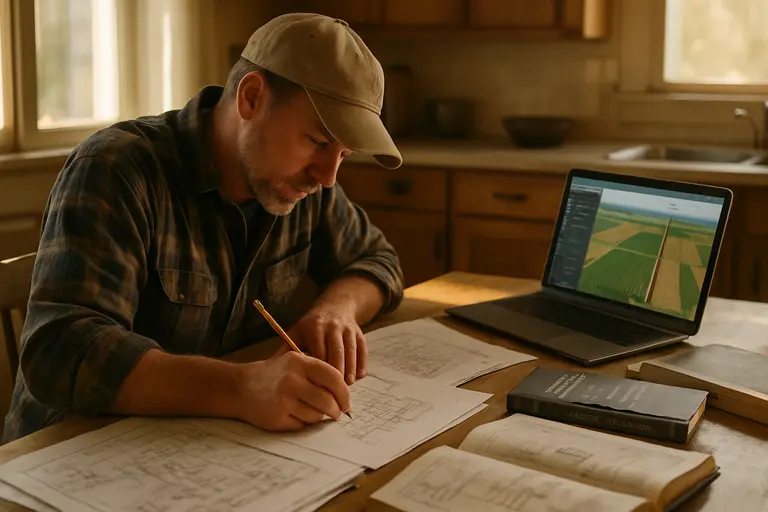
The right-to-repair shift does not remove the need for a practical farm plan. Producers can begin by identifying which machines are most exposed to time-sensitive failures. Combines during harvest, planters during narrow spring windows, and tractors used across several operations may deserve priority in repair planning.
Farmers can also review which tools, manuals, subscriptions, and training may be needed to make access useful. A diagnostic platform has limited value if no one on the farm understands the codes or service procedures. Independent repair providers may need similar preparation, especially for electronic parts pairing and fault-code resets.
- List machines with software-dependent functions and emissions controls.
- Identify common fault codes from recent seasons and the downtime tied to each one.
- Compare dealer service availability with independent repair capacity in the local area.
- Decide which repairs should stay with certified specialists because of safety, warranty, or compliance concerns.
Community Effects In Rural Areas
Repair access can affect rural service networks. If independent shops gain lawful access to diagnostics and manuals, some areas may develop more local repair capacity. That could reduce travel delays, but it depends on whether shops can invest in tools, training, and staff. Agricultural policy often connects with broader rural institutions; a related site in the same publishing network, Bethel NC UMC, reflects that community focus while this analysis stays with equipment maintenance.
The American Farm Bureau Federation has said that memoranda of understanding with several major manufacturers covered roughly three-quarters of agricultural machinery sold in the United States by mid-2026. Those agreements widened the discussion, but critics noted that such MOUs were non-binding and lacked penalties. The 2026 settlements are more direct because they impose defined repair-access terms for a set period.
Farm Equipment Repair In High-Tech Agriculture
What The 2026 Shift Means In Practice
The 2026 developments changed the repair conversation from whether farmers should have access to how access will work in daily operations. For high-tech machinery, that means the right to read codes, use manuals, pair parts, and restart machines after certain shutdowns may become part of normal maintenance planning.
The Farm Equipment Repair shift is not a complete answer to every service problem. Parts availability, technician shortages, software licensing terms, safety requirements, and warranty limits may still influence repair decisions. Some work will remain better suited to dealer technicians or specialists, especially where calibration, emissions compliance, or machine safety is involved.
For precision agriculture, the main implication is clearer control over downtime risk. Farmers who can diagnose failures sooner may make better decisions about whether to fix a machine on-farm, call an independent shop, or request dealer support. That choice is most valuable during narrow fieldwork windows, when even short delays can affect yield potential, grain quality, or operating costs.
As of September 6, 2026, the cautious reading is that repair access has improved on paper and through enforceable settlements, but the farm-level benefit will depend on implementation. The strongest gains are likely to come where farmers combine lawful software access with training, careful records, and sound judgment about which repairs belong in the farm shop and which require specialized service.