Weather-related losses continue creating financial pressure for specialty crop producers across the United States. From freezing temperatures affecting orchards to drought conditions impacting vegetable and fruit production, farmers growing high-value crops face increasing challenges when unexpected events disrupt harvest expectations.
The U.S. Department of Agriculture has expanded access to disaster assistance programs designed to support producers recovering from qualifying weather events. Through initiatives managed by the Farm Service Agency (FSA), specialty crop growers can receive financial support for production losses, quality reductions, and revenue impacts connected to natural disasters.
Unlike large commodity crops such as corn and soybeans, specialty crops often require intensive labor, irrigation systems, and long-term investments before generating revenue. A single weather event can affect an entire growing season and create significant economic consequences for farming operations.
Federal assistance programs provide a financial safety structure that helps producers maintain operations while rebuilding damaged crops and preparing for future production cycles.
USDA Disaster Programs Provide Support For Specialty Crop Producers
The USDA Farm Service Agency manages several disaster assistance programs that help agricultural producers recover from natural disasters. Recent updates have focused on improving access for specialty crop farmers affected by weather-related losses.
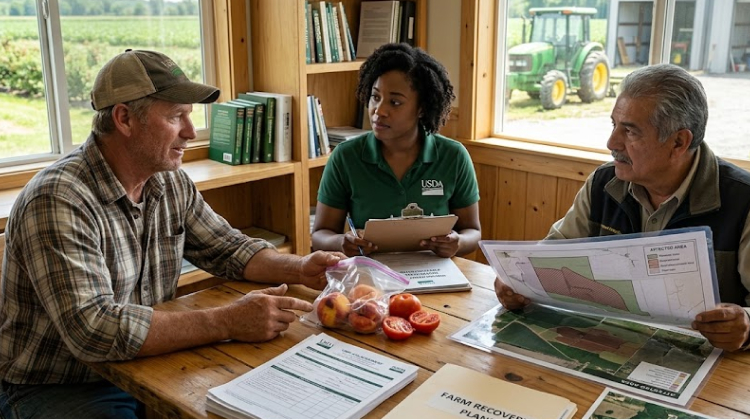
Programs such as the Supplemental Disaster Relief Program (SDRP) and Assistance for Specialty Crop Farmers provide financial assistance based on eligible losses caused by qualifying events.
The USDA disaster assistance programs help producers recover from events including drought, hurricanes, excessive moisture, freezes, and other natural disasters.
| Program | Primary Purpose | Eligible Producers |
|---|---|---|
| Supplemental Disaster Relief Program (SDRP) | Supports producers with qualifying weather-related losses | Crop producers affected by disasters |
| Assistance for Specialty Crop Farmers | Provides support for specialty crop production losses | Fruit, vegetable, nursery, and specialty crop growers |
| Emergency Conservation Program | Helps restore farmland damaged by natural events | Producers requiring land restoration |
Specialty crop producers include farmers growing fruits, vegetables, tree nuts, vineyards, and other crops that require specialized management practices.
These operations often have different recovery challenges compared with commodity crop farms. A damaged corn field can be replanted during the same season, but a damaged orchard may require years before trees return to full production.
Extreme Weather Creates New Risks For Specialty Crops
Weather variability has become a major concern for specialty crop producers across several agricultural regions.
California growers have experienced drought conditions, water management challenges, and heat events affecting crops such as almonds, grapes, citrus, and vegetables. Florida producers regularly manage hurricane risks affecting citrus and vegetable operations. Midwest and Northeast growers face freeze events that can damage fruit blossoms and reduce seasonal yields.
The USDA National Agricultural Statistics Service crop reports provide production data that helps measure how weather conditions affect agricultural output across the country.
Specialty crops are especially sensitive during specific stages of development.
A late spring freeze can destroy fruit blossoms before growers have the opportunity to protect their crops. Excessive heat can reduce quality and increase irrigation demand. Heavy rainfall can create disease pressure and make harvesting more difficult.
Farmers must evaluate weather risks throughout the entire production cycle.
California Specialty Crop Farmers Face Ongoing Water And Climate Pressure
California remains one of the most important specialty crop production regions in the United States. The Central Valley produces a large share of American fruits, nuts, and vegetables, making weather conditions in the region important for national food supply.
Counties such as Fresno, Kern, Tulare, and Monterey support extensive agricultural operations producing almonds, pistachios, grapes, tomatoes, and leafy greens.
Drought conditions and water availability challenges have influenced production decisions across the state. Farmers have invested in improved irrigation systems, soil monitoring tools, and conservation practices to maintain productivity.
Agheiro’s previous coverage of precision irrigation projects explains how technology is helping western farmers improve water management strategies.
For specialty crop producers, disaster assistance provides financial support after losses occur, but many farms are also investing in prevention strategies to reduce future risks.
Specialty Crops Require Long-Term Financial Planning
Specialty crop farming involves significant upfront investment. Unlike annual row crops, many specialty crops require years of development before reaching full production.
| Crop Type | Example Production Challenge | Recovery Timeline |
|---|---|---|
| Orchards | Freeze damage to trees and blossoms | Multiple growing seasons |
| Vineyards | Weather damage affecting grape production | Several seasons |
| Vegetable Farms | Excess moisture or heat reducing quality | One production cycle |
| Tree Nuts | Water stress affecting long-term yields | Multiple years |
A severe weather event can affect not only current production but also future revenue expectations.
Farmers must continue paying for equipment, land management, labor, and maintenance even when crop income declines.
Disaster assistance programs help bridge this gap by providing financial resources during recovery periods.
Federal Support Helps Farmers Manage Production Uncertainty
Agricultural disaster programs are part of a broader federal approach to strengthening farm resilience.
The USDA works with producers through multiple programs that address financial losses, conservation needs, and recovery efforts.
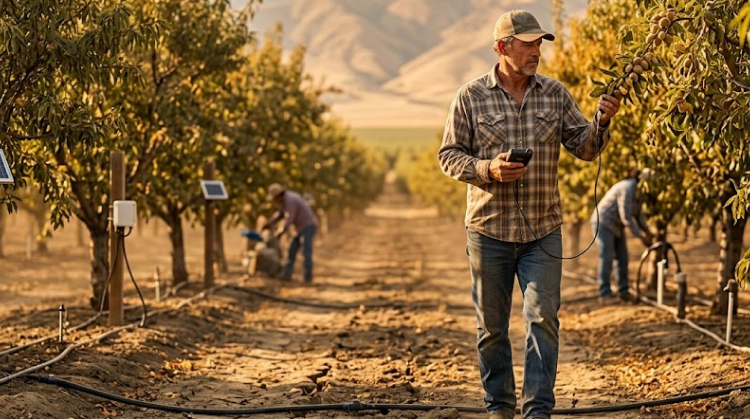
Specialty crop farmers often combine several strategies to manage uncertainty:
- Crop insurance coverage
- Disaster assistance programs
- Water conservation investments
- Improved field monitoring
- Diversified production systems
These approaches allow farmers to respond to changing conditions while maintaining long-term operations.
The combination of financial assistance and improved agricultural management practices has become increasingly important as weather patterns create more production challenges.
Technology Supports Better Weather Risk Management
Agricultural technology has become an important tool for specialty crop producers monitoring environmental conditions.
Farmers use satellite imagery, weather stations, soil sensors, and irrigation monitoring systems to identify potential problems earlier.
For example, orchard operators can monitor temperature changes during freeze events and activate protective systems before damage occurs. Vineyard managers can track moisture conditions to reduce disease risks.
Precision agriculture systems provide producers with more detailed information about individual fields, allowing faster decisions during periods of environmental stress.
Technology does not eliminate weather risks, but it provides farmers with additional information for managing production decisions.
Disaster Assistance Programs Influence Future Agricultural Planning
Federal disaster assistance does more than provide short-term financial relief. These programs influence how farmers evaluate future investments and production strategies.
A grower recovering from a freeze event may reconsider crop varieties, irrigation systems, or protective infrastructure. A drought-affected operation may invest in water efficiency improvements or modify planting decisions.
The connection between disaster recovery and agricultural innovation continues shaping specialty crop production across the United States.
Farmers are increasingly combining government support programs with technology investments and conservation practices to improve resilience.
Specialty Crop Recovery Remains A Priority For U.S. Agriculture
Specialty crop farmers play an important role in the American food system, providing fruits, vegetables, nuts, and other agricultural products consumed nationwide.
Weather losses can create significant financial challenges for these producers, especially when damage affects crops requiring years of investment.
USDA disaster assistance programs provide critical support by helping farmers recover from qualifying events and continue operating after severe weather impacts.
As climate conditions continue influencing agricultural decisions, specialty crop producers will rely on a combination of financial programs, technology adoption, and improved management practices to maintain production stability across the country.