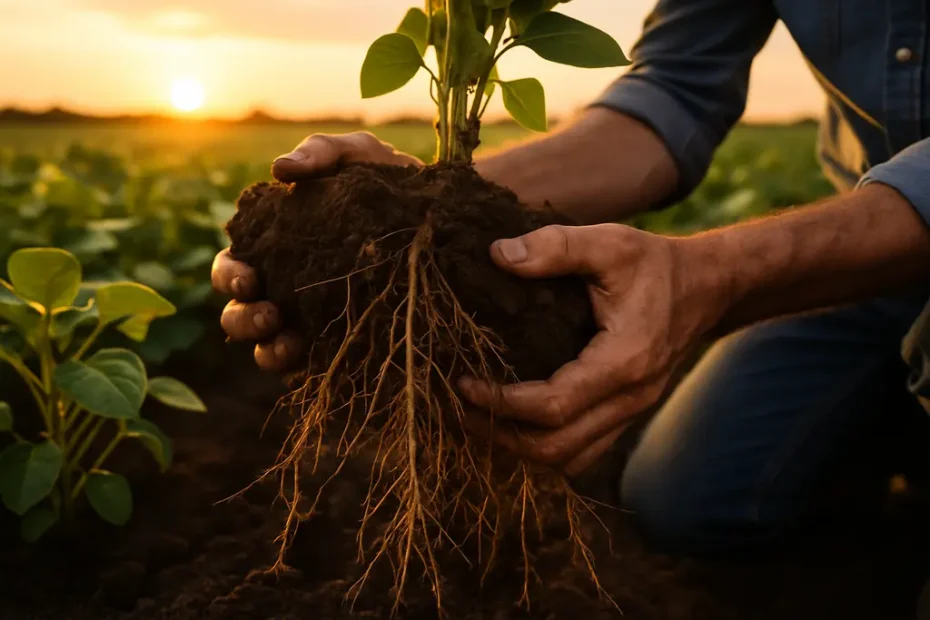
ROOTS Project Tests Deeper Soybean Roots
ROOTS Project research is moving soybean root science into field testing, with cautious signals for drought resilience and soil carbon.
Welcome to your trusted hub for the latest agricultural news, advancements in sustainable farming, and insights into the rapidly evolving world of agricultural technology. We cover everything from crop science and soil health to emerging market trends and global food systems, helping you stay connected to the forces shaping modern agriculture. Our mission is to support farmers, agribusiness leaders, researchers, and innovators by delivering clear, practical information that drives smarter decisions. Whether you’re exploring precision agriculture tools, evaluating renewable energy solutions for your operation, or keeping an eye on shifting commodity markets and trade policies, we bring together reliable data and expert perspectives in one place. Agriculture is changing faster than ever, and staying informed is essential. By highlighting proven technologies, trusted research, and real-world strategies, we aim to help you adapt, grow, and thrive in an industry that feeds the world and defines the future of sustainability.
ROOTS Project research is moving soybean root science into field testing, with cautious signals for drought resilience and soil carbon.
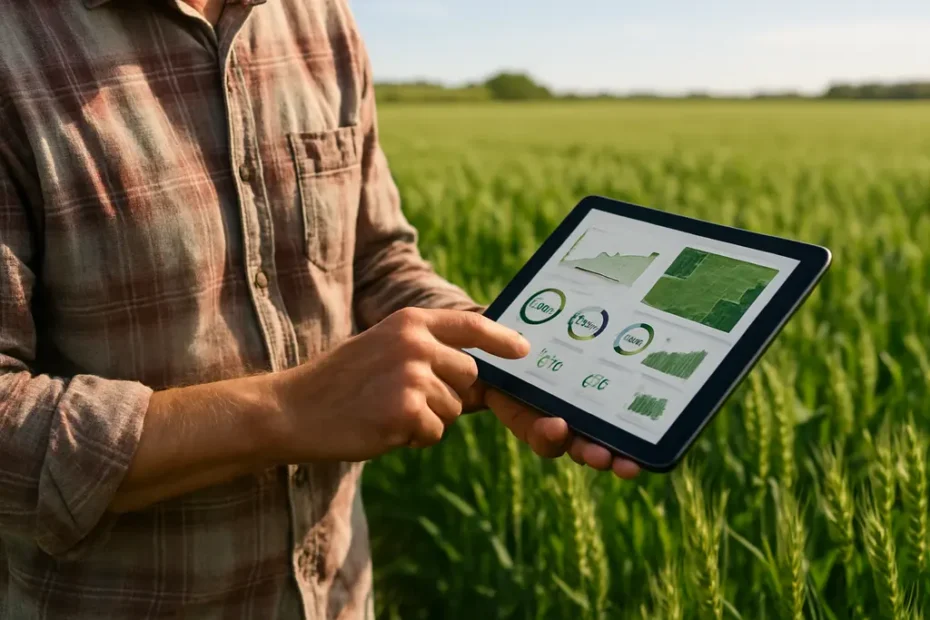
USDA data modernization could reduce reporting burdens, improve crop estimates, and support cautious sustainable farming decisions.
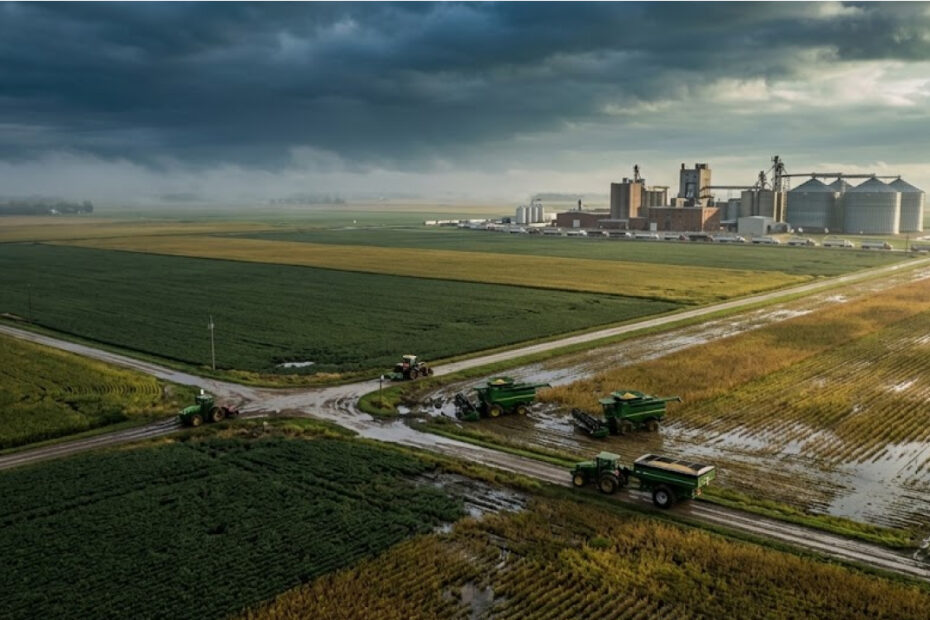
The U.S. soybean harvest has reached 17% completion, exactly matching the five-year average, but persistent rainfall across parts of the Midwest is creating a much tighter situation for processors that need soybeans immediately. USDA reported…
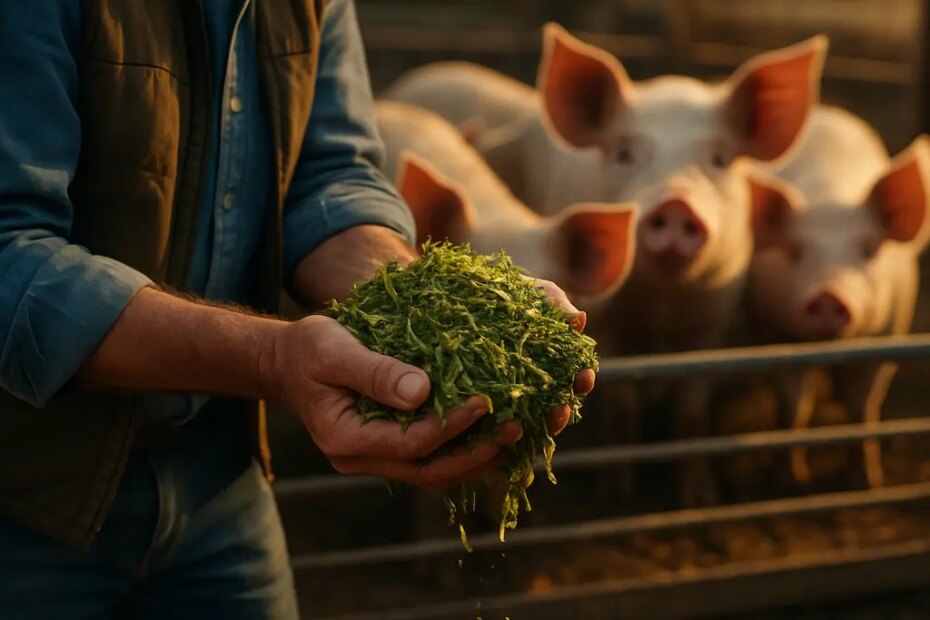
Analysis of hog inventory declines in September 2026, with supply, price, export, and sustainability implications for U.S. pork producers.
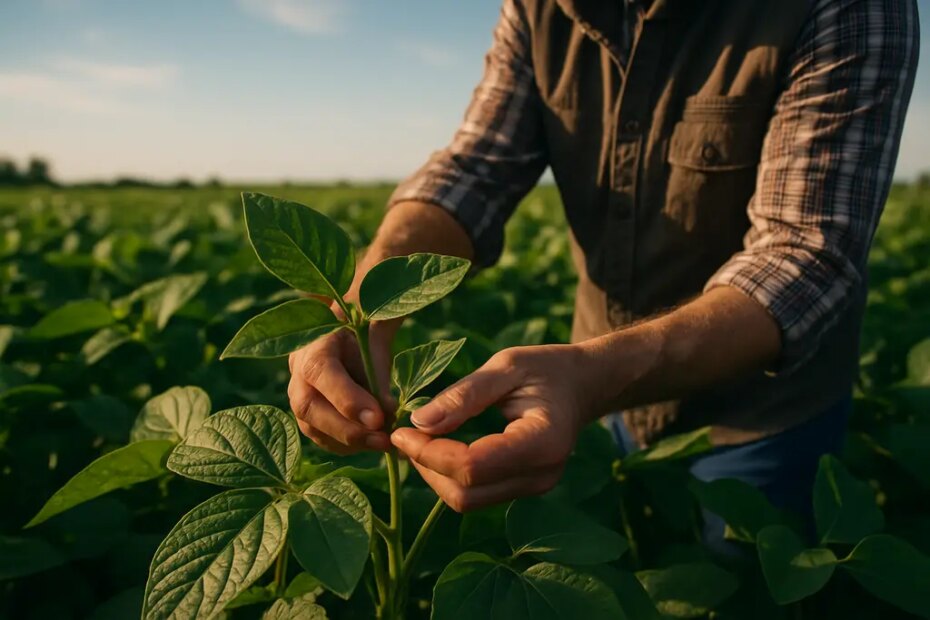
Soybean resilience research is moving from gene discovery toward field testing, with ROOTS raising cautious hopes for soil carbon and drought response.
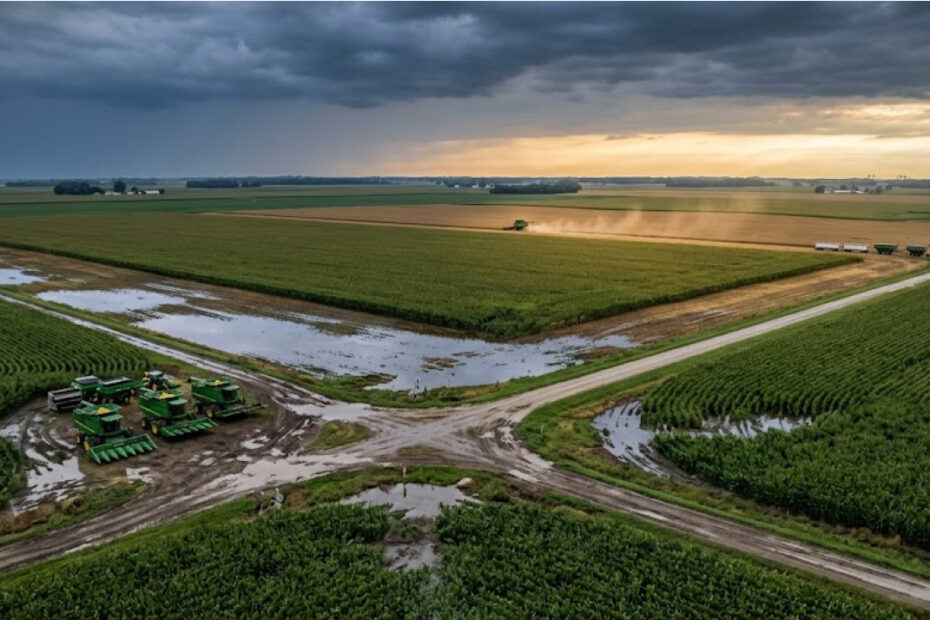
The 2026 U.S. corn harvest entered September with an early advantage over the historical pace, but a prolonged stretch of heavy rain is now slowing fieldwork across important parts of the Corn Belt. USDA reported…
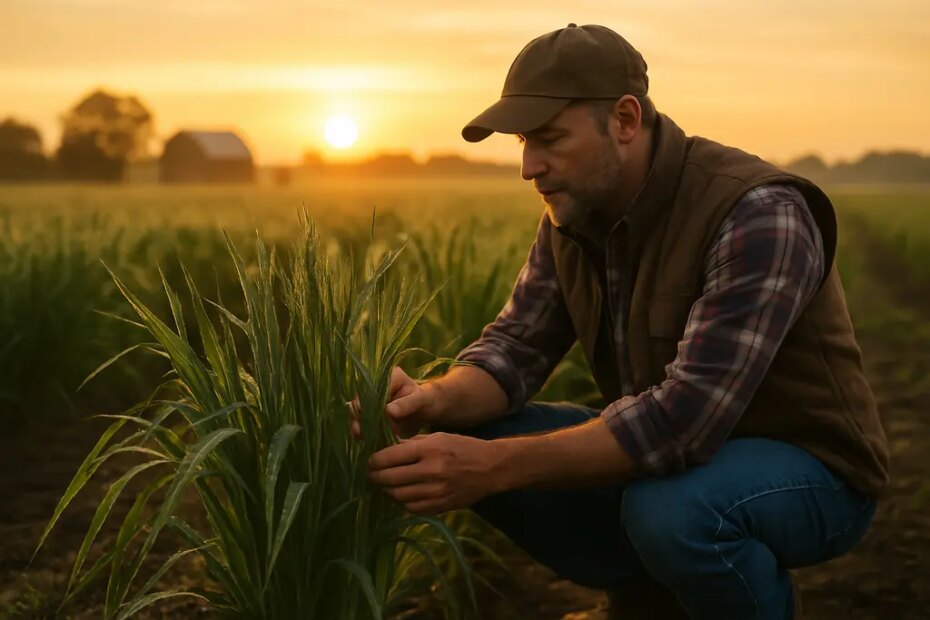
Perennial grains are drawing cautious interest as farms weigh climate volatility, yield limits, breeding work, and market barriers.
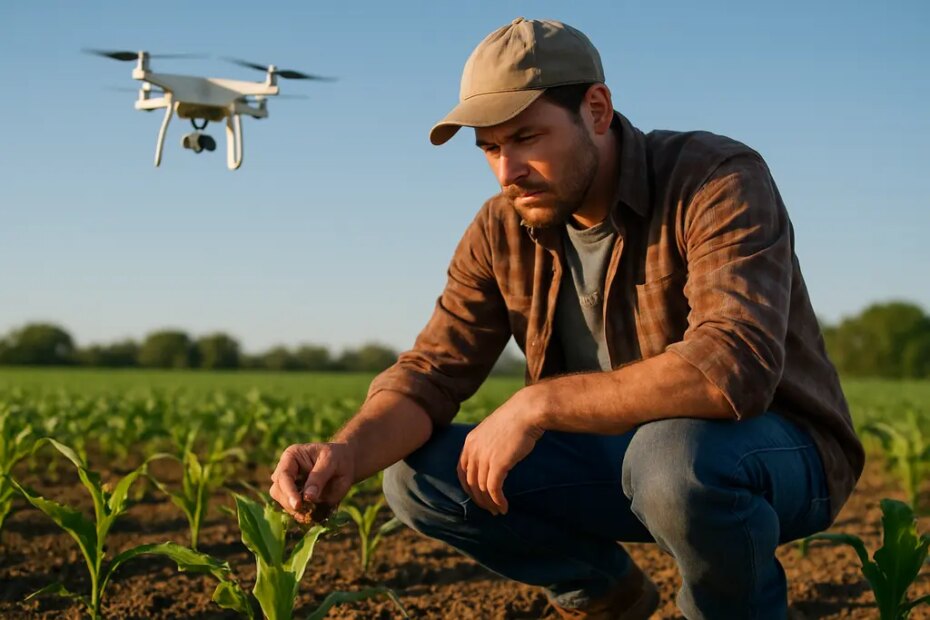
USDA Climate Grants funded conservation, research facilities, rapid response work, and workforce capacity as climate risks press farms.
WOTUS agriculture changes may affect permits, drainage, wetlands, and farm planning as EPA seeks comments on its 2026 proposal.